|
Louis Castle on Westwood, Command & Conquer, and a New Secret Game1/30/2026
From the evolution of game development to the role of innovation, this conversation is a rare glimpse into the mind of one of gaming’s true pioneers.
|
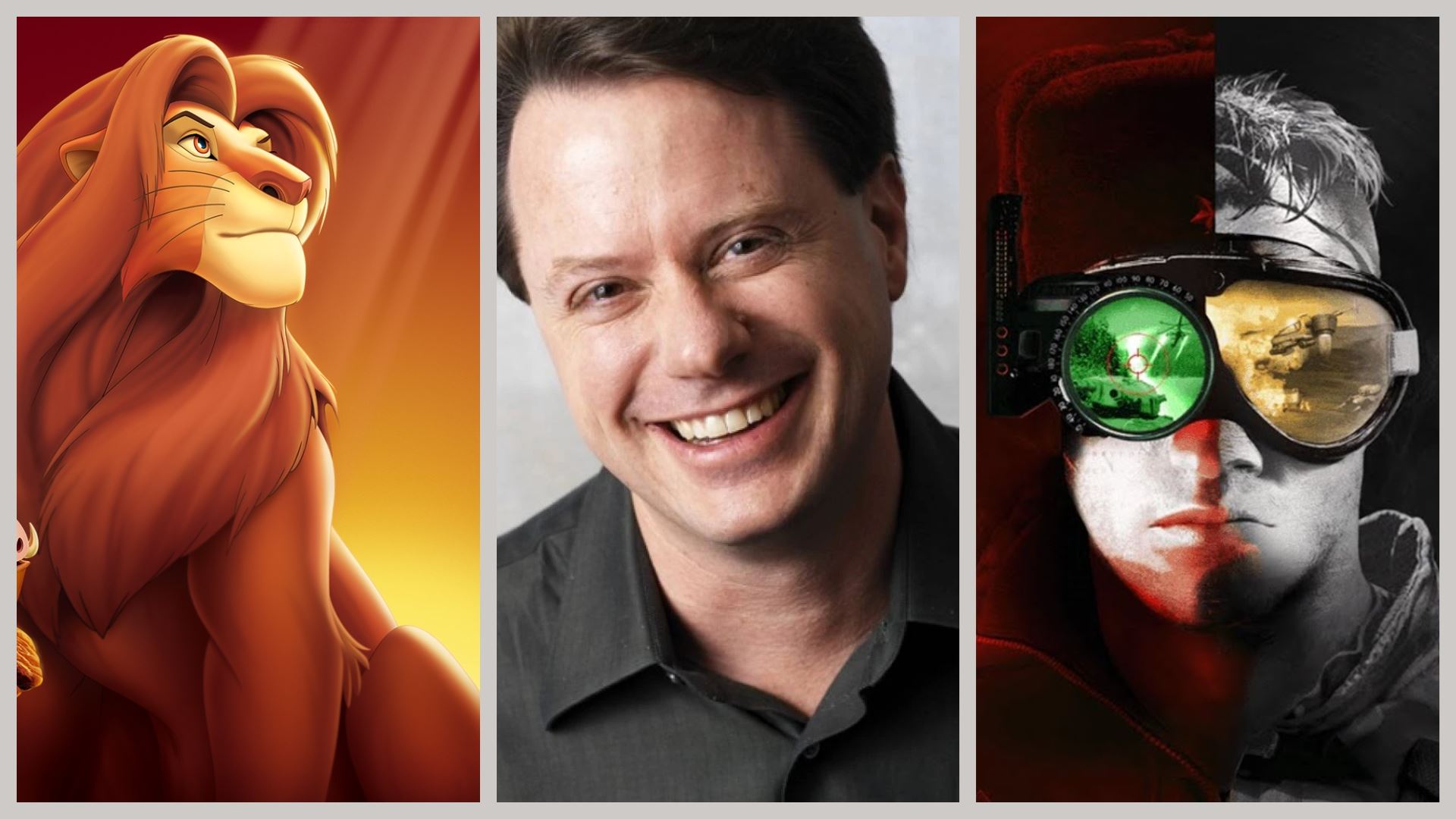
At last year’s Game Access, we had the chance to meet gaming industry legend Louis Castle, co-founder of Westwood Studios and one of the minds behind Command & Conquer. In a funny twist, we discovered he’s actually a cousin of Frank Klepacki, the composer of so many C&C soundtracks. Louis also gave us a sneak peek at his new game—though we promised to keep that under wraps. Even so, he shared plenty of stories from his decades in the industry: the early days of Westwood, the creation of iconic RTS titles, working with movie licenses like Blade Runner and The Lion King, and collaborating with Steven Spielberg on Boom Blox. From the evolution of game development to the role of innovation, this conversation is a rare glimpse into the mind of one of gaming’s true pioneers.
Westwood Studios is considered a legend in the gaming industry. Can you tell us how and why you founded the studio with Brett Sperry back in 1985? What was your original vision at the time?
A lot of people ask about the beginning of Westwood, and it’s interesting how it all came together. I had worked with a few folks and we had tried to start a company called Out of the Blue Software, where I was just an artist. Eventually, Brett came over to my house. He used to come into the computer store where I worked, and one day he came by to get a printout.
While he was doing that, I showed him some of the animation stuff I was working on with the Apple II, and he said, “That’s really cool.” Then he asked me, “Do you want to do this? Is this what you want to do for a living?” And I said, “You know, Brett, I don’t know. I think I just want to have fun. I just want to enjoy life. I don’t know if I want to build a company or anything. I’m kind of a free spirit. I like doing artwork, and I’m pursuing computer games instead of architecture specifically because I think it’s fun.”
Brett was the one with the real vision. He said, “I really want to create a company. I want to work with people I like. I want to make something that endures, something that lasts a long time. I want to make great games, and I think it’s hard to make great games all by yourself.” So he had the vision of a studio, and I was more focused on just working with people I liked and doing things I enjoyed.
There wasn’t a grand plan to change the world. We just started our first couple of projects together. At that point, we weren’t even Westwood yet. It was just a few projects Brett was working on, and I was doing the artwork. Over time, we realized that the companies we were working for were charging a lot of money for our work, while we were getting relatively very little. So we both said, “Well, how hard can this be? We have enough business sense. Let’s just start our own company.”
Funny story—Brett always hated that I tell this—but our first check came made out to “Westwood Associates.” We were so excited. It was a $4,000 check for a $16,000 project, and we looked at each other and I said, “I’m not actually sure how to cash this.” We didn’t even have a company yet; it was just the name. So we had to go get a fictitious name paper and officially file a company after we already got our first check.
So, there was no grand vision in the beginning. But as time went on, we built up a team, started having bigger designs, and developed a vision for how we wanted to run the company and the kinds of things we wanted to make. Eventually, we grew into it. In the beginning, though, it was really just about making games and having fun.
Westwood helped define the real-time strategy genre. When did you realize that Command & Conquer could be something groundbreaking? Was that success part of a strategic plan, or did it emerge naturally during development?
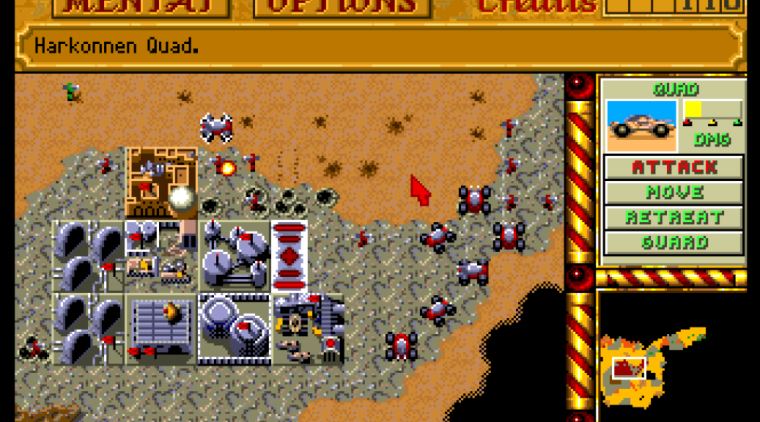
It really started with a game called Dune 2. We wanted to make a strategy game inspired by Rescue Raiders on the Apple II – which was kind of a two-dimensional tower defense with combat – and Military Madness on the TurboGrafx. Joe Bostic loved Military Madness, and Brett loved Rescue Raiders.
We thought, “Hey, if we combine these two ideas, we can make a strategy game in real time.” At that time, Westwood had made a lot of strategy games, mostly turn-based, but we wanted a game where players would make decisions in real time. Even our first game, Temple of Apshai, was originally in real time. People told us it was a bug, but we thought it was great.
Back then, it wasn’t even called real-time strategy; it was just called strategy games. So we made Dune 2, and Virgin said, “If you really want to make it, go ahead.” They didn’t have big expectations—they thought it might sell 10,000 or maybe 20,000 copies. But it ended up selling well over 100,000, and of course, it was pirated like crazy. Millions of people played it in the end, even if some were stealing it.
We loved making the game. When we went to make the next one, we were already part of Virgin as Westwood Studios, which gave us much more control over what we wanted to create. Brett wanted to make a big epic trilogy: Tiberian Dawn, Tiberian Sun, and Tiberian Twilight. We told Virgin, “This is our plan; we expect around 200,000 copies,” but they thought it couldn’t sell more than Dune, which had a license.
The first time we really knew we had something special was when we showed it publicly. People lined up; they couldn’t believe the game and were eager to play it. It was at the June CES show in 1994. After that, we also showed it at CES in Vegas in 1995, Chicago in ’94, and ECTS in between.
What really made it clear was seeing everyone in the company playing the game at night, and at trade shows, people couldn’t wait for us to finish it. We didn’t ship it until we thought it was ready, even though there was financial pressure to release sooner. In the end, Virgin Marketing actually coined the term “real-time strategy” to distinguish it from other strategy games, which they thought didn’t sell. They expected around half a million copies by launch in October, but we sold a million in the first month. It was a huge success.
The C&C series stood out not only for its gameplay, but also for its atmosphere and FMV cutscenes. What inspired you during their creation?
The cutscenes in Command & Conquer came from Brett’s vision of a game where the fantasy was that you were connected through your computer to a real-time battlefield across the world. Even though we had some great graphics—Aaron Powell and the team did amazing CG work—we knew we needed something more to tell the story.
We realized we had to have humans on the screen. At that time, creating artificial humans just didn’t look good, so we decided to film live actors. We set up a space in our studio, initially using a big white sheet and eventually a green screen. We basically created our own green screen studio to handle the filming.
We filmed local actors performing the “behind the desk” scenes. It was really just a mechanism to set the context for the game. I give credit to Brett for the idea, because he felt strongly that it wasn’t enough to just have a great mission with solid goals and design—you also needed to know why you were doing the mission. The “why” mattered a lot to him, and that became the core inspiration for using live-action scenes.
My role was making it happen. Our technical team had to figure out how to integrate these stories into the game. Initially, we were worried about how we’d fit everything onto a CD-ROM, but it turned out we had plenty of space. For example, games like Blade Runner used four CD-ROMs, so we were able to incorporate the cutscenes without any issues.
How did the idea to bring the Command & Conquer universe into an action format with Renegade come about? It was an ambitious game for its time but faced several delays. What were the biggest challenges during development, and is there anything you would have done differently in hindsight?
I think we could have held out another year because the multiplayer component came in quite late, and the technology wasn’t robust enough for peer-to-peer play—it was easily hacked, which hurt the multiplayer experience quite a bit.
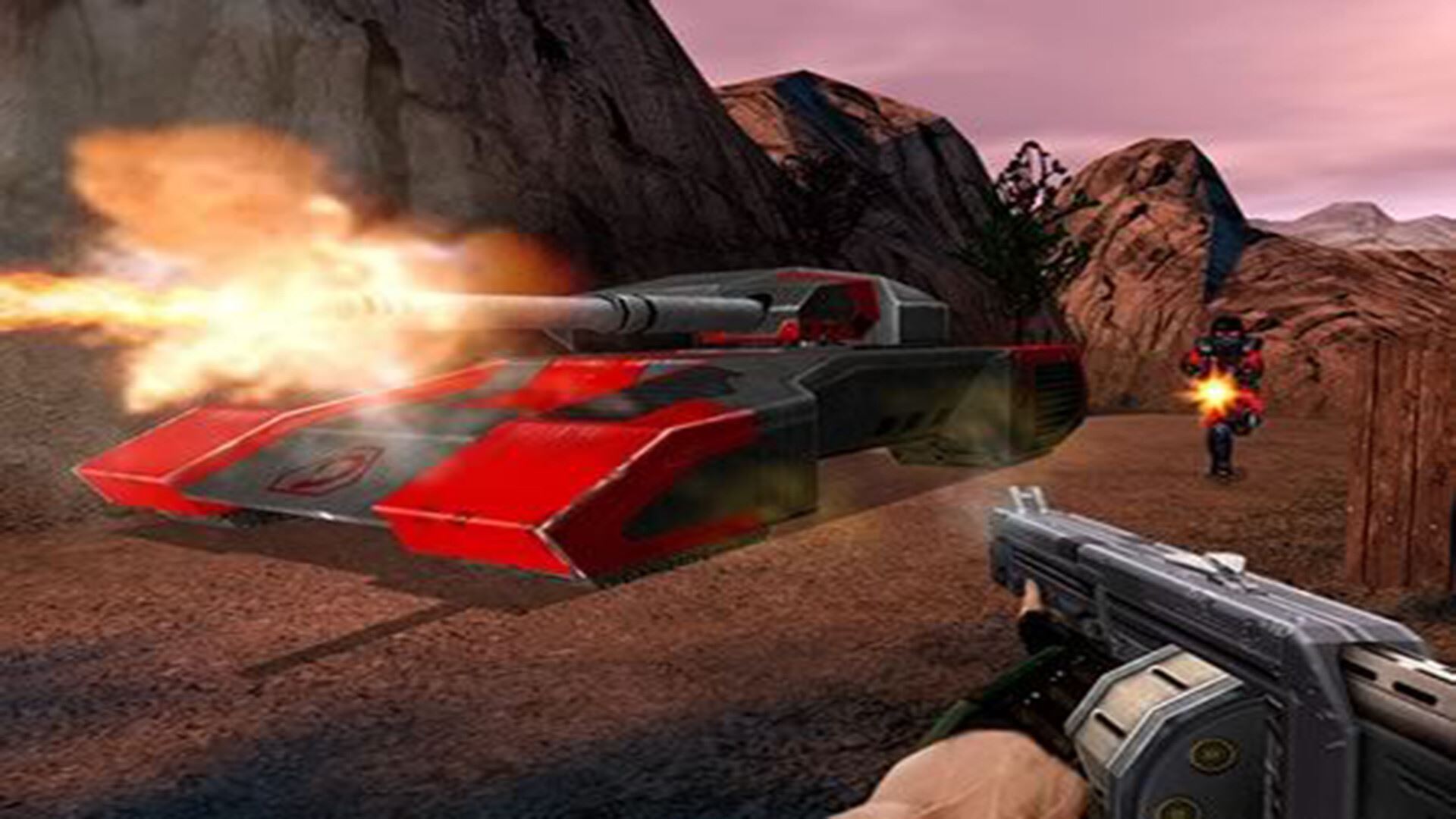
More importantly, if we had waited, we would have realized just how special multiplayer really was in Renegade. It was a first- and third-person shooter, and you could actually switch between the two. At the time, that was perfectly acceptable. Nowadays, first-person and third-person shooters have both evolved, and it’s very difficult to make a game that’s good at both because the art—the art of storytelling, the art of game making—is so refined. But back then, it worked well, and the technology was solid.
The main reason I enjoyed Renegade so much, and what led us to make it, was the commando missions from Command & Conquer. We loved that character and the fun of those missions. We ended up calling him Major Havoc—a little tongue-in-cheek joke—and the idea of having a commando character running missions just seemed like a lot of fun.
The real magic of Renegade, though, came through multiplayer. You were in an active base, trying to take over buildings, jumping in and out of vehicles. That’s where it became really fun. Had we started with multiplayer from the beginning, it might have been a very different game—maybe more like Halo. Who knows, maybe history would have turned out differently.
In addition to your original IPs, you also worked on well-known film adaptations like Blade Runner and The Lion King. What were the challenges and advantages of working with movie licenses?
Working with movie licenses—or any licenses—has been part of Westwood’s history from the very beginning. Early on, we used to do ports, which is kind of like a license in a way, because you already had the art reduced to something interactive.
Not long after, we started working with Disney on titles featuring Donald Duck, Goofy, and Mickey. As challenging as it was, it was also great working with licensors because they taught us how to handle intellectual property properly. By the time we worked on D&D licenses and eventually games like The Lion King, we had come to deeply appreciate how important it was to create a game that could add value to the IP, rather than just take away from it.
So many games, even today, don’t really add anything to the interactive universe of the property they work with. They just retell the story in an interactive way, without giving fans a deeper connection. If you’re a fan of a major film, for example, playing many of the licensed games doesn’t always make you feel more attached to the universe-it’s just a game with an IP slapped on it.
With Blade Runner, we wanted to explore deeper themes: what’s real, what’s not real, what’s human, what’s not human. We wanted to give the player a chance to decide for themselves whether their character was actually a replicant or a human. That, to me, was a fascinating theme to explore in a game.
Similarly, with The Lion King, the goal was to retell the hero’s journey—Simba’s growth from a cub to a lion and a king—in a way that felt authentic. We wanted players to feel even more connected to the property and to love it more. That’s what made working on The Lion King so rewarding.
Brett, for most of the time, didn’t like working on other people’s IP. I was usually the one driving the IP projects because I found them fascinating. The exception was Dune 2, which was his favorite book, so he got a chance to work on that one.
Upon release, The Lion King was often criticized for its difficulty, especially considering it was targeted at a younger audience. How do you reflect on that controversy today?
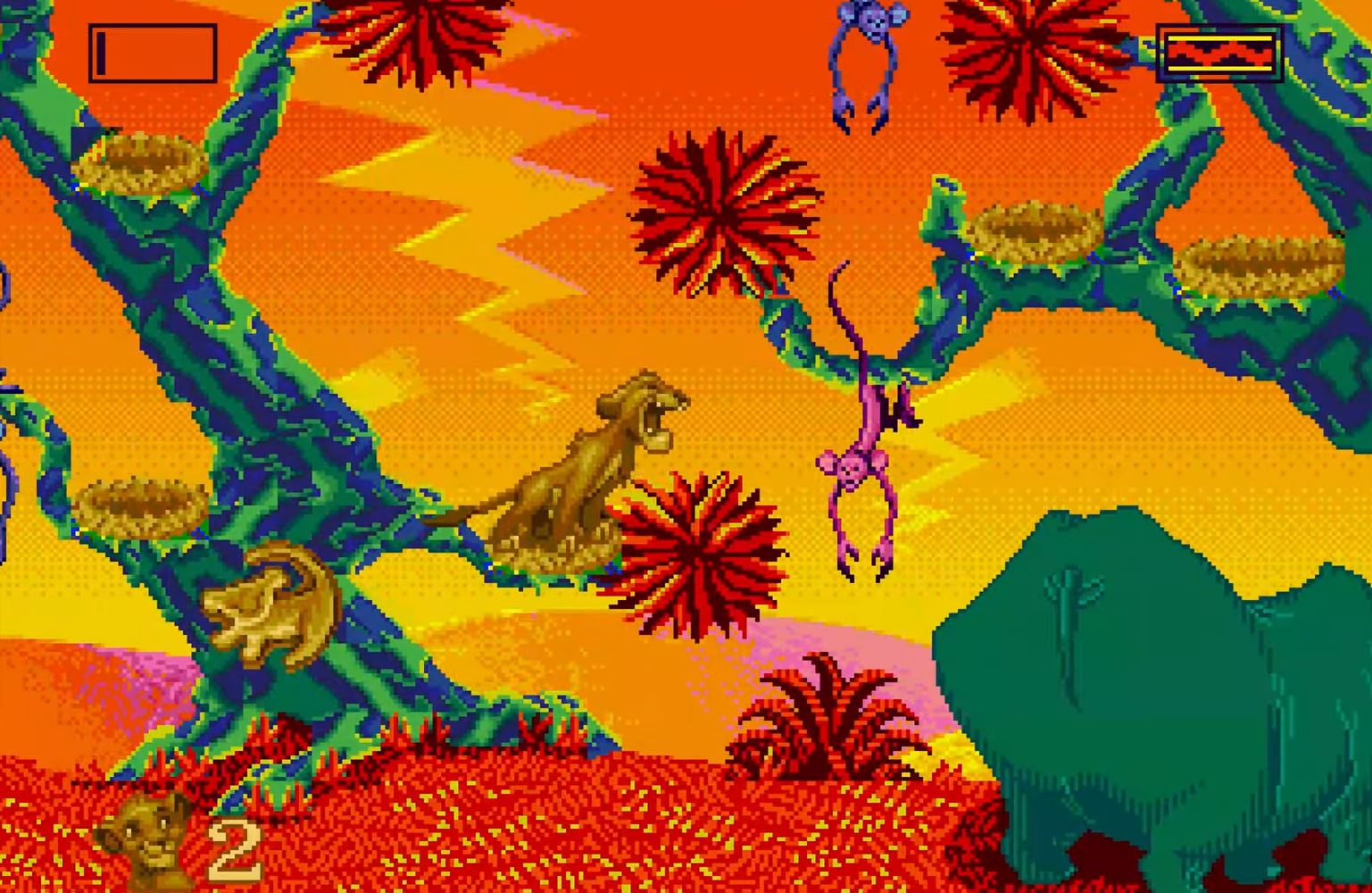
First of all, The Lion King was on par with other games at the time in terms of difficulty. Games back then weren’t simple—titles like Aladdin and others were very, very hard. But we actually had to make it even harder at the beginning because Disney had a metric they used when releasing a game. If more than, I think, 30 or 40 percent of players could complete it in a single night or weekend, they felt the game wouldn’t sell well. So they told us we really needed to make it much harder.
Rather than making all of the first few levels harder, we decided to add difficulty to the monkey level, introducing a trial-and-error factor that forced players to spend more time progressing. In some cases, it made the level a lot longer. In retrospect, I don’t love what it did to the game design because it could frustrate players early on and didn’t align with my mantra of being kind to the customer. On the other hand, it might have been the right commercial decision: The Lion King outsold all its competitors at the time. Part of that was because it was a great film, part of it was good execution, and part of it may have just been the difficulty, which forced players to figure things out.
Interestingly, at the time the game wasn’t criticized for difficulty. Most of the criticism was about a few bugs, like in level six, because we had to rush the release. Many games at the time were almost flawless, so those bugs stood out. Apologies to players who got stuck there. The difficulty issues only became more noted later, when people went back to play it retroactively. Platformers were very advanced back then, and the challenge level was normal for the era.
After Westwood was acquired by EA, you led several teams and collaborated with Steven Spielberg on Boom Blox. How did that collaboration come about, and what was it like working with such a renowned film director in the context of game development?
Working with Steven Spielberg was an absolute pleasure. He had a very strong vision of the kind of game he wanted to make, without being overly prescriptive about exactly how it should be executed.
He kept talking with Miyamoto about using the Wii, saying, “I really want to use the Wii to throw things and break stuff, and I want to make a game out of breaking things.” This was before Angry Birds—there hadn’t really been games focused on stacking objects or physics-based destruction. A game centered on breaking things with realistic physics hadn’t been done, and that was his vision, not ours.
Working with him was an absolute joy because he was so generous with his time and his thoughts. He didn’t just talk about our game—he’d discuss entertainment in general. He’s genuinely a great human being. It’s rare in life to spend time with someone so creative, prolific, and fully present in every conversation. It was truly an amazing experience, and I’ll never forget it.
You’ve developed games across the ’80s, ’90s, and 2000s. What are the biggest changes you've seen in game development and the industry over those decades?
Even in the 2010s and 2020s, I’ve kept building games. I’d say the biggest change overall in the industry has been increasing specialization. When I started, you had to be good at everything—or at least competent in everything. I was good at some things, but now, to make something competitive, you need people who are experts in every discipline.
There was a brief period in the 2000s that felt like a renaissance of independent game makers—a golden age of indies—when the tools became good enough that one person could make a game on their own. It was a short-lived return to the early days of game development.
But overall, we’ve been moving inexorably toward really big projects with massive teams. From an entertainment point of view, as a player, it’s fantastic—we get these huge, polished experiences. Nobody’s going to criticize another great Call of Duty game. But it also means that games today are massive productions requiring large teams.
Even with my current company, I’m trying to go back to smaller teams where you can know everyone personally, work on a game with aspirational goals, and experiment with cool technology—without needing an enormous team.
Over the decades, the thing that’s changed the most is the level of competency required in every discipline. Everything in a game has to be very good, and teams have to be larger because of that. Game engines help a lot, but they don’t solve the problem entirely.
Many of your games were pioneers—whether in genres, technology, or cinematic presentation. In your view, what role does innovation play in great game design?
I’ve been asked a few times why I always take on all these innovations. I guess it’s because, even though I play a lot of other games—and I’ve certainly studied games quite a bit—I don’t play them as much as I used to. I do go back and watch streams or research games, especially if I’m exploring a new category.
The reason I innovate so much is that I don’t start with existing genres. I see an idea or an IP and imagine what kind of experience I would want to have on my device—mobile, PC, or console—that would make me feel the same way I do when I read that book or watch that film. Most of the time, it’s not just another game that already exists.
Some of it is because I enjoy trying new things, and some of it is because I like to build the experience around the idea itself, instead of building the idea around existing genres or experiences. For example, if you don’t start with real-time strategy and ask, “How can I change it?” but instead start with, “I want to make a game about this,” and it happens to be real-time strategy, you end up in a very different place than most people.
It takes a lot more risk, so you fail more often when you innovate. But when you succeed, it’s incredibly rewarding.
You also worked in mobile and social gaming, including at Zynga. How did you experience that shift, and what did it teach you about different player types and platforms?
What I learned from working in social and mobile gaming is that the same person plays games differently depending on the device they’re using. I had some understanding of this back when we made mobile, console, and PC games. For example, Command & Conquer worked very well on PC, and while we made some console versions, they were okay but not quite the same. It mostly comes down to the human-machine interface.
On a console, you’re really interacting with the controller—you’re mastering the mechanical part of it—whereas on a PC, it’s a mouse and keyboard. Even the same player has a very different experience depending on the device. In mobile and social games, I realized that the same game world can be experienced across platforms, but the UX and interface have to be designed around the device, because that’s what the player is actually interacting with.
For example, Rogue Assault was quite successful, and working on popular social titles like Mafia Wars or Zynga’s Ville games taught me that what made these games special was the social interaction—interacting with other human beings, sharing, and showing your progress. Those are very different experiences than what you usually get on PC.
From classic RTS titles to experimental Wii games and social platforms—what kind of game development has been the most personally fulfilling for you, and why?
I’d say the most fulfilling games I’ve worked on were ones where I had the creative freedom to execute the vision I wanted—and especially when it was tied to an intellectual property I really enjoyed. Games like Monopoly, Blade Runner, and Lion King were very satisfying.
With Lion King, I was an art kid—I’ve loved Disney from a very young age and wanted to be an animator. Being able to work with Disney animators was an unbelievable pleasure. Similarly, working on Dungeons & Dragons games was amazing because I played D&D and had been a dungeon master for 16 years. Being able to help create the worlds of D&D and contribute to the Dragonlance canon, particularly the world of Krynn, was incredible.
Those are the projects that were most satisfying. The least satisfying were ones where we had very prescriptive constraints, like ports of existing games. Sometimes the original creator or the publisher’s limitations meant there wasn’t much room to be creative. We could improve quality, but there wasn’t much more we could do. Those projects could feel frustrating because at some point you just want to finish them. I always found ways to make them my own and did my best, but they were less satisfying than the games where I had creative freedom.
There’s still a strong sense of nostalgia for classic RTS games, and many fans wish to see a return to the original C&C philosophy. Do you think there’s still room for a true RTS renaissance today?
People ask me all the time why there aren’t more classic RTS games out there. Well, the team behind Tempest Rising managed to do it—they created a great love letter to Command & Conquer. It feels a lot like C&C, almost like an evil twin, but that’s totally fine. They did it efficiently and made it economically viable, so hats off to them.
That said, I don’t think people necessarily want the same game they played before. If they did, they’d just keep playing all the remasters endlessly. Remasters do okay, but mostly they rely on nostalgia. What people really want is to feel the same way they did the first time they played that game—the sense of wonder, the thrill of strategy, the feeling of being a brilliant tactician. That’s the challenge for us as game makers: how do we create a strategy game, maybe bordering on sim or RPG, that evokes that same childlike amazement?
It’s getting harder because the genre has been explored so much. You can’t just add small features; you have to do something different. That’s where my bias toward innovation comes in. It has to be innovative, or you won’t recreate that sense of wonder.
I’m glad people are doing nostalgic work, though. I still enjoy those games myself, and honestly, Petroglyph did an amazing job with Command & Conquer Remastered Collection. Being able to switch between the classic and the updated game was stunning. It was a success by every measure—the fans loved it, and it sold well.
From a business perspective, though, I can see why EA hasn’t rushed a follow-up. The remaster brought the franchise back on good footing, the fans are happy, and there’s risk in putting out another game too soon. Every company has limits on how many games it can publish, and the last thing they want is to damage a franchise that’s been revived. My hope is that they’re planning a bigger return for the franchise rather than avoiding it altogether—but from a practical standpoint, the combination of limited benefit and high risk probably explains the delay.
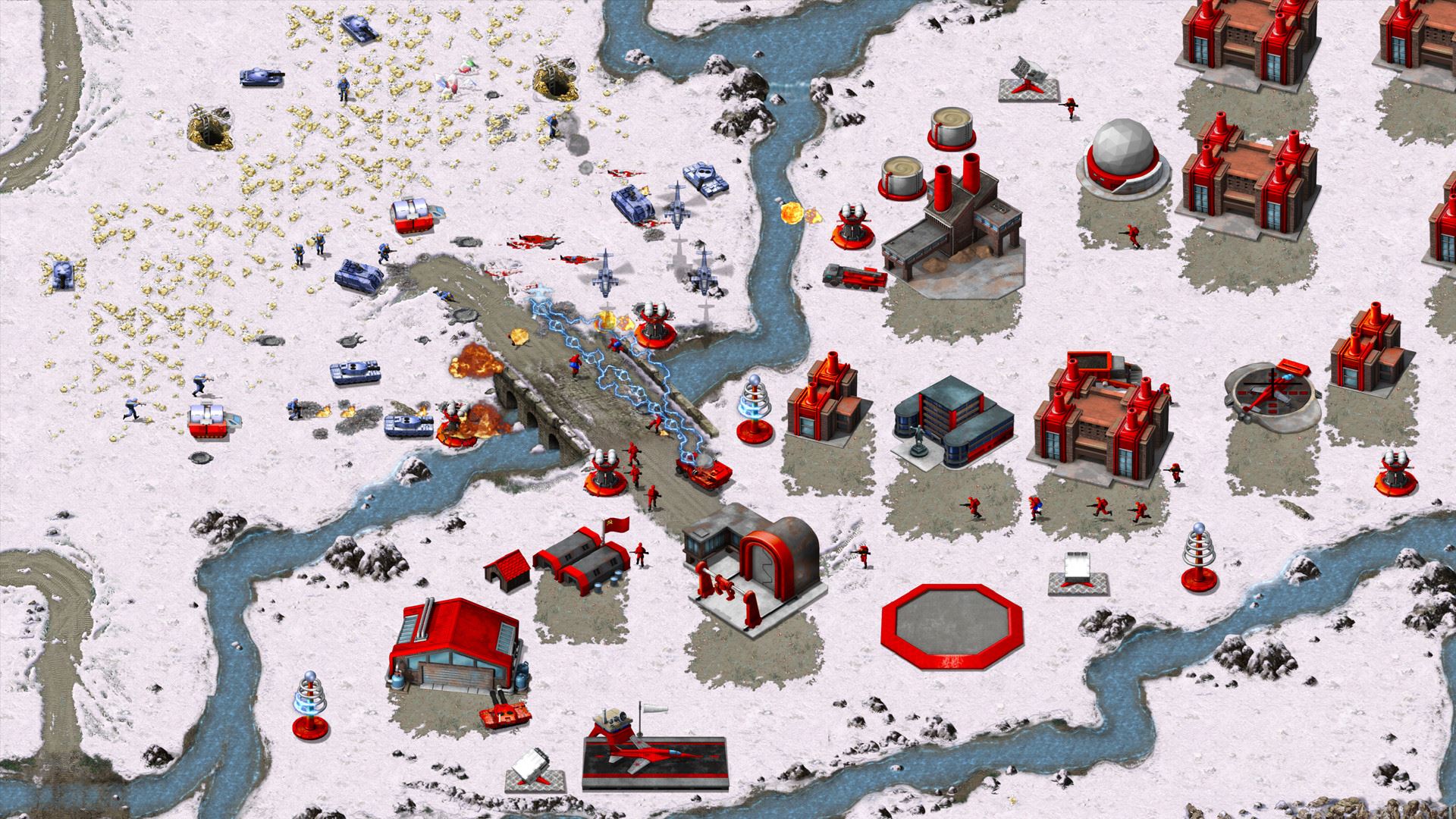
So the last one—what’s ahead of you?
Well, after a number of years—about seven—of contracting and helping other studios get things on track, basically fixing broken toys, I decided I wanted to put my hat back in the ring as a game designer, director, and CEO. So I started Childlike Wonder Games.
We’re currently working on a prototype for a strategy-sim game, which is a little different from what people might expect from my history. It’s more of a family-oriented game—think of it like Animal Crossing goes to war. There’s a little irreverence to it, so for the Happy Tree Friends fans out there, you might get the idea.
We’re a very small team, just getting started and looking for funding. It’s very early days, but I’m loving it—it’s fun to be back in that creative role.