|
Why GOG Invests in Old Games - and Why Players Keep Coming Back2/26/2026
With initiatives like the GOG Preservation Program and One-Click Mods, the platform is going far beyond simply selling old titles — it’s actively maintaining them, fixing them, and making sure they don’t quietly disappear as technology moves on.
|
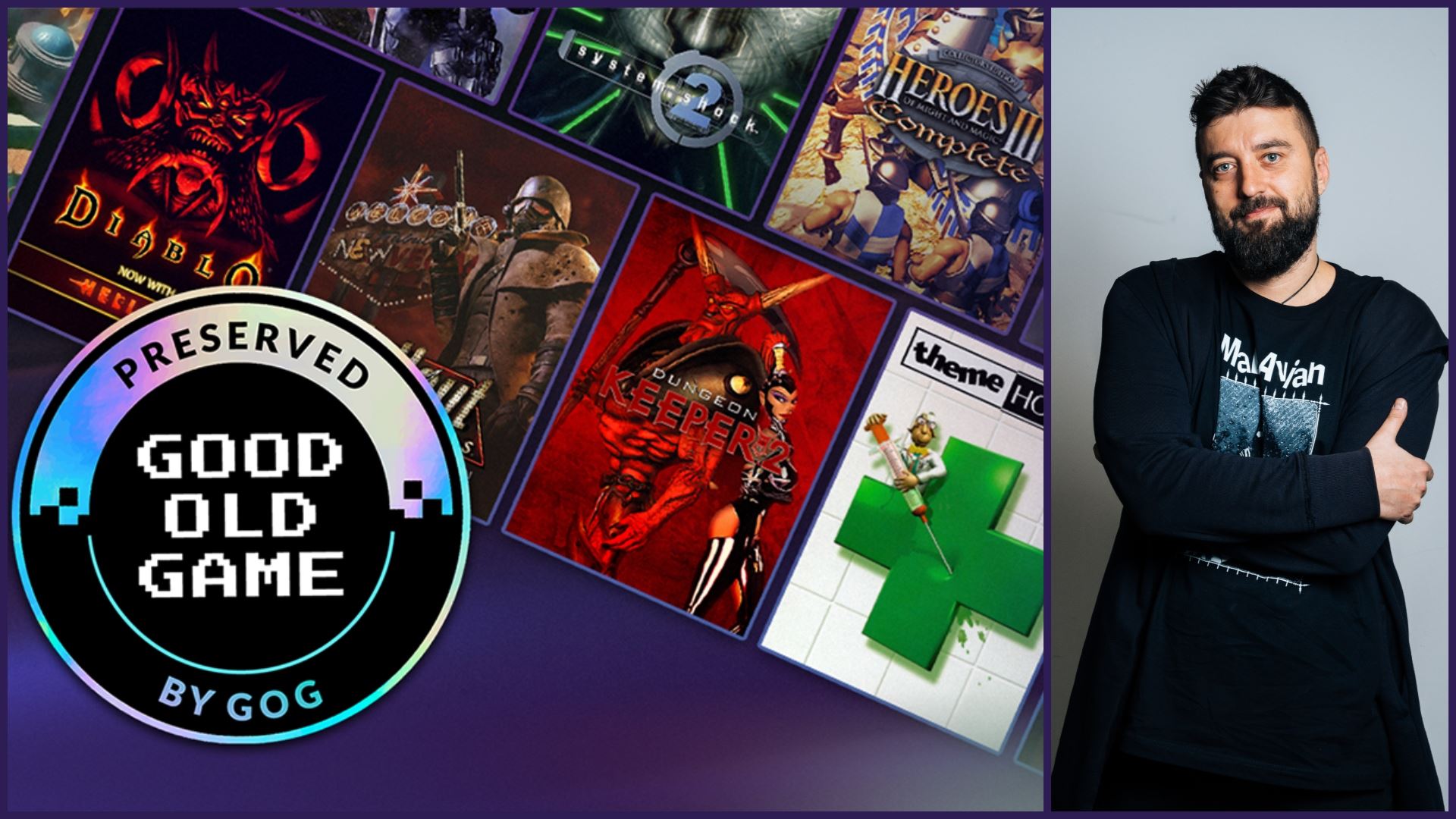
For nearly two decades, GOG has built its identity around DRM-free releases and classic games that actually work on modern PCs. With initiatives like the GOG Preservation Program and One-Click Mods, the platform is going far beyond simply selling old titles — it’s actively maintaining them, fixing them, and making sure they don’t quietly disappear as technology moves on.
In this interview, Piotr Gnyp, Senior PR at GOG, talks about how game preservation works behind the scenes, why some classics require hundreds of hours of technical work, what Slovak players love to play the most, and how GOG plans to remain a curated, player-first platform in an industry flooded with new releases every day.
GOG has been a long-standing advocate for game preservation. Could you explain the philosophy behind the GOG Preservation Program and what you aim to achieve with it?
The GOG Preservation Program is our promise to players that selected games they buy on GOG will continue to run well on modern PCs – even after official support from the original developers or publishers has ended.
Game preservation has always been part of GOG’s DNA. The original idea behind Good Old Games was to bring back classic titles that were either no longer commercially available or simply didn’t work properly on contemporary hardware. But time doesn’t stop, and neither does technology.
A few years ago, we took a closer look at some of the older games already available on GOG. They were still playable, but not always in the condition we felt players deserved. Small changes in operating systems, drivers, or hardware had started to affect their stability and compatibility. That was an important moment for us – it showed how quickly games can degrade technically, even on a platform dedicated to classics.
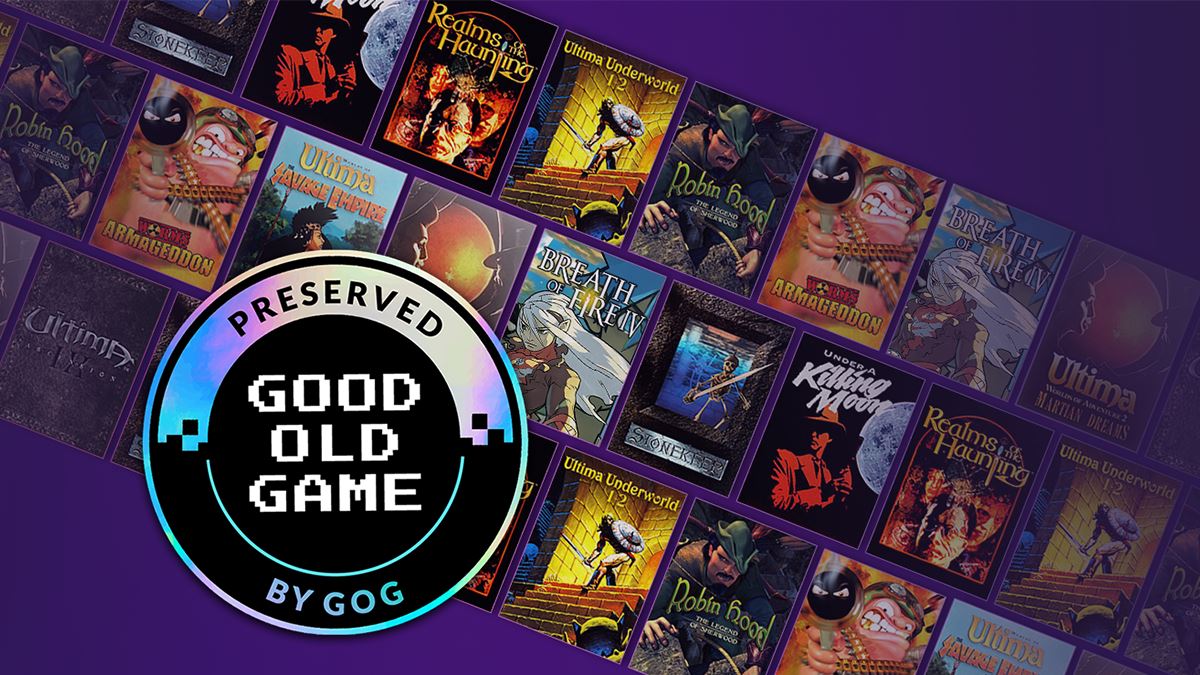
The GOG Preservation Program was our response to that realization. Thanks to nearly two decades of experience and the internal tools we’ve built over the years, we’re now able to maintain and update classic titles on a much larger scale. Games included in the Program are regularly tested, improved where possible & needed, and maintained by us so they continue to work as expected on modern systems.
We’re currently approaching around 300 titles in the program, and our long-term goal is clear: to eventually cover all classic games available on GOG. Not just to keep them for sale, but to make sure they remain genuinely playable for years to come.
Beyond simply making old games available, the program sometimes updates or modifies titles, adding new features or improving compatibility. Could you walk us through how you choose which games to work on, and what kind of changes or enhancements you typically make?
The short answer is: it’s always a mix of cultural importance, player interest, and technical reality.
When we decide which games to prioritize in the GOG Preservation Program, we look first at relevance. That can mean anniversaries, renewed interest around a franchise, or a title’s broader cultural impact. Popularity matters too – we pay close attention to what players are still talking about, playing, and asking for.
Sometimes priorities shift because of what’s happening around us. Delistings, studio closures, or changes on the publisher side can push a game higher on the list, simply because we want to make sure it doesn’t quietly fade away.
And then there’s the technical side. We always have to be honest about what’s actually possible right now. Some games can be improved immediately with the tools and pipelines we already have. Others need more groundwork, and in those cases, we postpone rather than rush something that wouldn’t meet our standards.
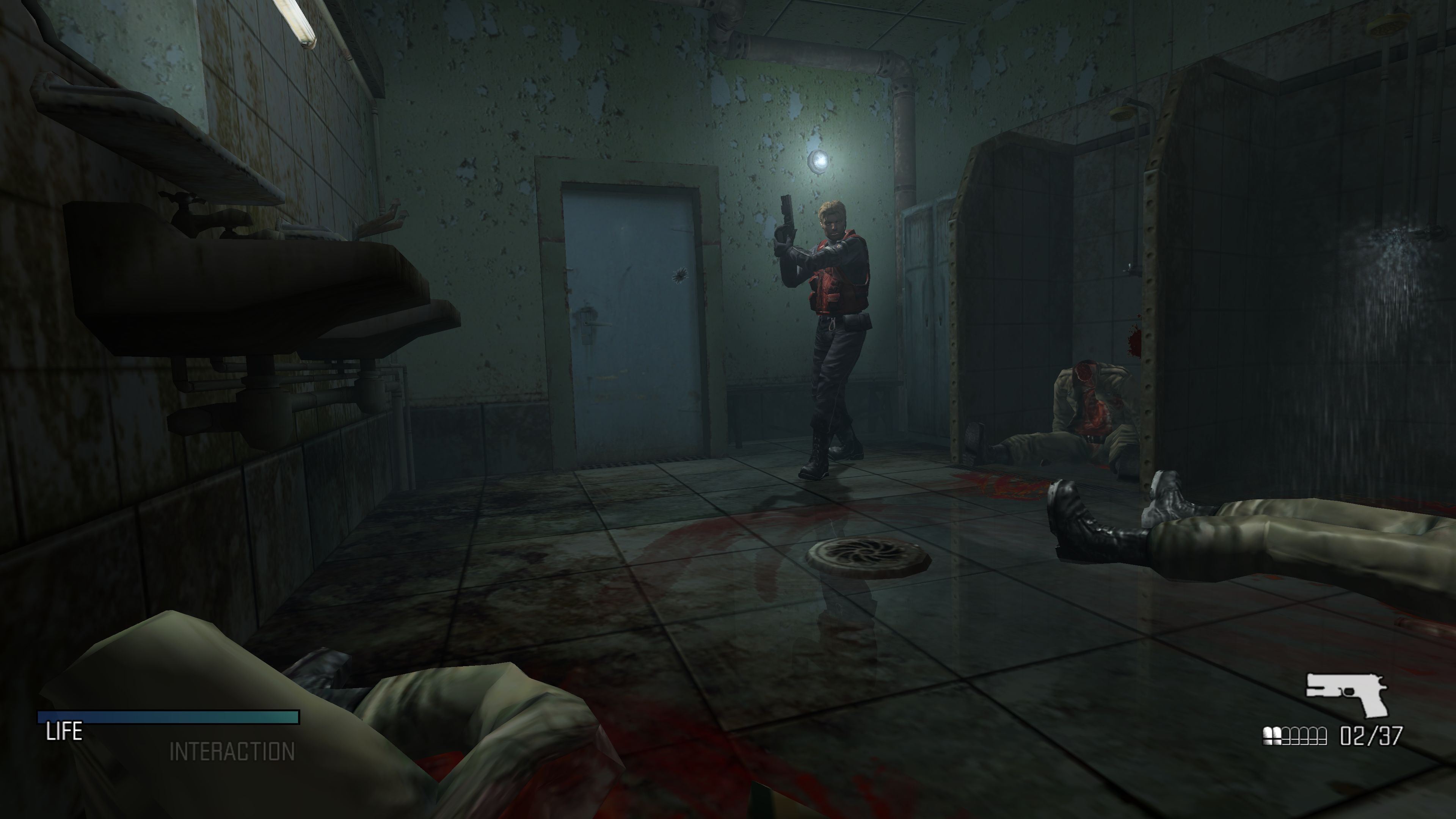
As for the changes themselves, they’re very practical. Most commonly, we’re talking about things modern players expect as basic functionality: controller support, compatibility with current operating systems, widescreen and ultrawide resolutions, proper alt-tab behavior, overlays, or cloud saves. Sometimes the list gets surprisingly long – the changelog for Cold Fear is a good example of how much work can go into a single title.
Where possible, we also apply technical fixes: stability improvements, bug fixes, or performance tweaks, especially when we know they’ll meaningfully improve how the game feels today.
Technically speaking, how challenging is it to modernize or fix classic games while keeping them faithful to the original experience? Can you share a specific example of a title that required extensive work?
It’s often far more challenging than people expect, because you’re not just “making the game run.” You’re trying to make it run properly on modern hardware, without changing how it feels, looks, or behaves. That usually means a lot of very careful, very unglamorous work.
A great example is Cold Fear. Getting that game into the shape we were happy with took hundreds of hours. A big part of the process was classic bug reproduction – tracking down issues that only appear on modern systems, understanding why they happen, and fixing them without introducing new problems. On top of that came rescaling work for modern resolutions, stability improvements, controller support, and a long list of compatibility tweaks that players today simply expect.
What makes this kind of work tricky is that almost every change can have side effects. Fixing rendering can affect timing. Rescaling the image can break UI elements. Improving compatibility can introduce subtle gameplay issues. So every step involves testing, iteration, and a lot of restraint.
We actually documented this process in detail in a video, which shows just how much effort goes into a single preserved title.
From your perspective, why do you think players continue to return to classic games, even decades after their release? What makes these titles still appealing in today’s gaming landscape?
There are a few layers to this, and nostalgia is only one of them.
Research consistently shows that players return to classic games not just because they remember them fondly, but because those games are tied to formative experiences. They’re often the games we grew up with, the ones that shaped how we think about gameplay, stories, or even about ourselves. Going back to them isn’t only about remembering the past; it’s about reconnecting with a moment when those experiences first mattered.
But it’s not simple nostalgia. Many players return because they want to re-experience a journey, sometimes to see if it still feels the same, and sometimes to discover that it doesn’t. You come back older, with different expectations, different life experiences – and suddenly you read the story differently, notice themes you missed before, or understand characters in a new way.
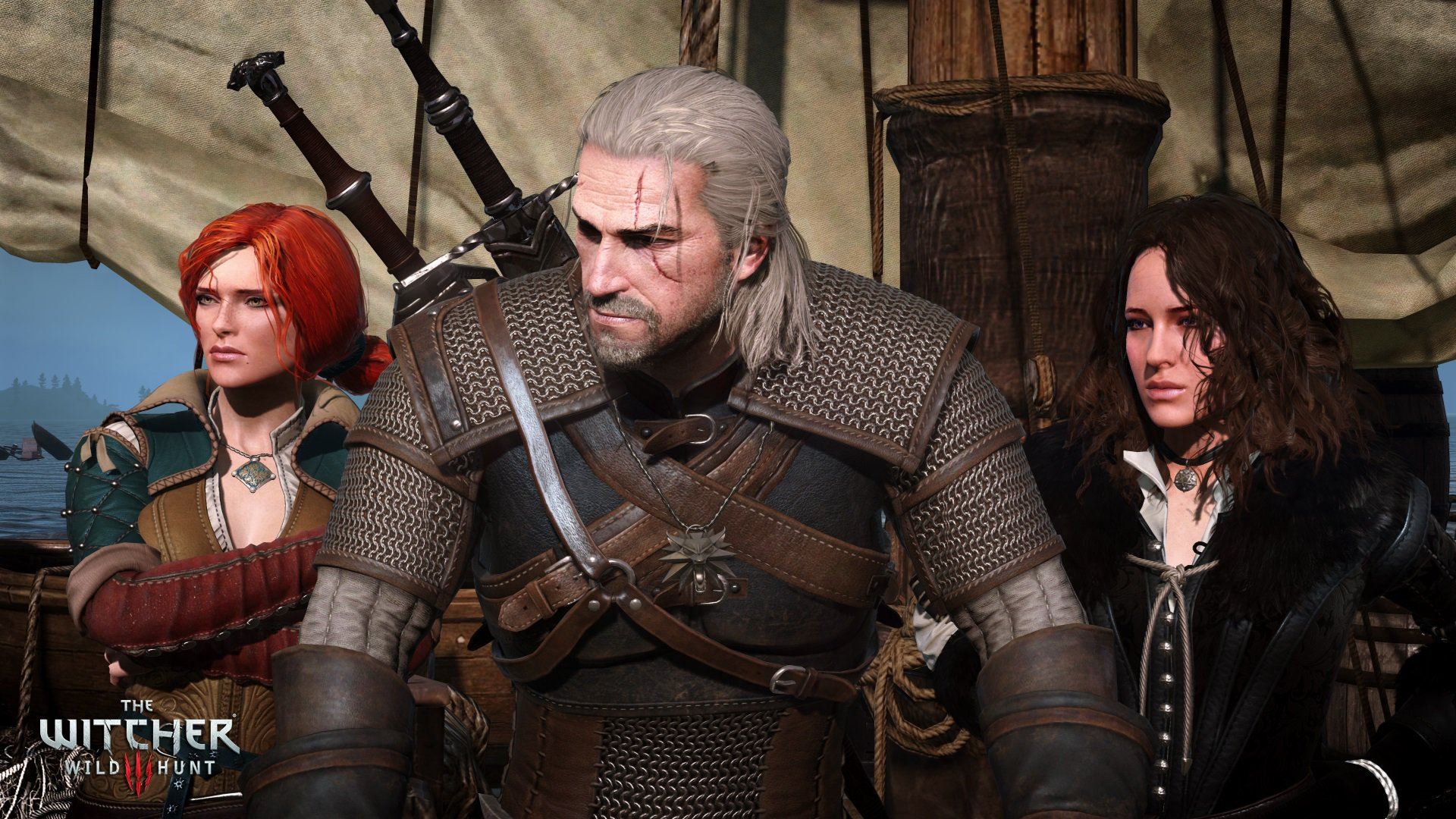
There’s also a very practical reason: games are aging more slowly than ever. A title released ten years ago, like The Witcher 3, still looks and plays remarkably well today – and that’s before we even mention games from the PS3 and Xbox 360 era that many players simply never had the chance to play when they first came out. For a lot of people, this is a golden moment to finally catch up with classics they missed.
And sometimes the experience is… humbling. Personally, I’ve rediscovered that some fast-paced action or skill-heavy games I loved years ago are now much harder than I remembered. Reflexes change, patience changes – and that, too, becomes part of the experience.
Finally, there’s accessibility. Classic games don’t require cutting-edge hardware. You don’t need the latest GPU, massive amounts of RAM, or a top-tier SSD to enjoy them. That lowers the barrier and makes revisiting – or discovering – older titles much easier.
We know that in Poland, games like Heroes of Might and Magic III remain hugely popular even years after release. Do you have any statistics or insights about which classic games or series are most played by Slovak players?
Yes – and in many ways, Slovakia mirrors Poland quite closely.
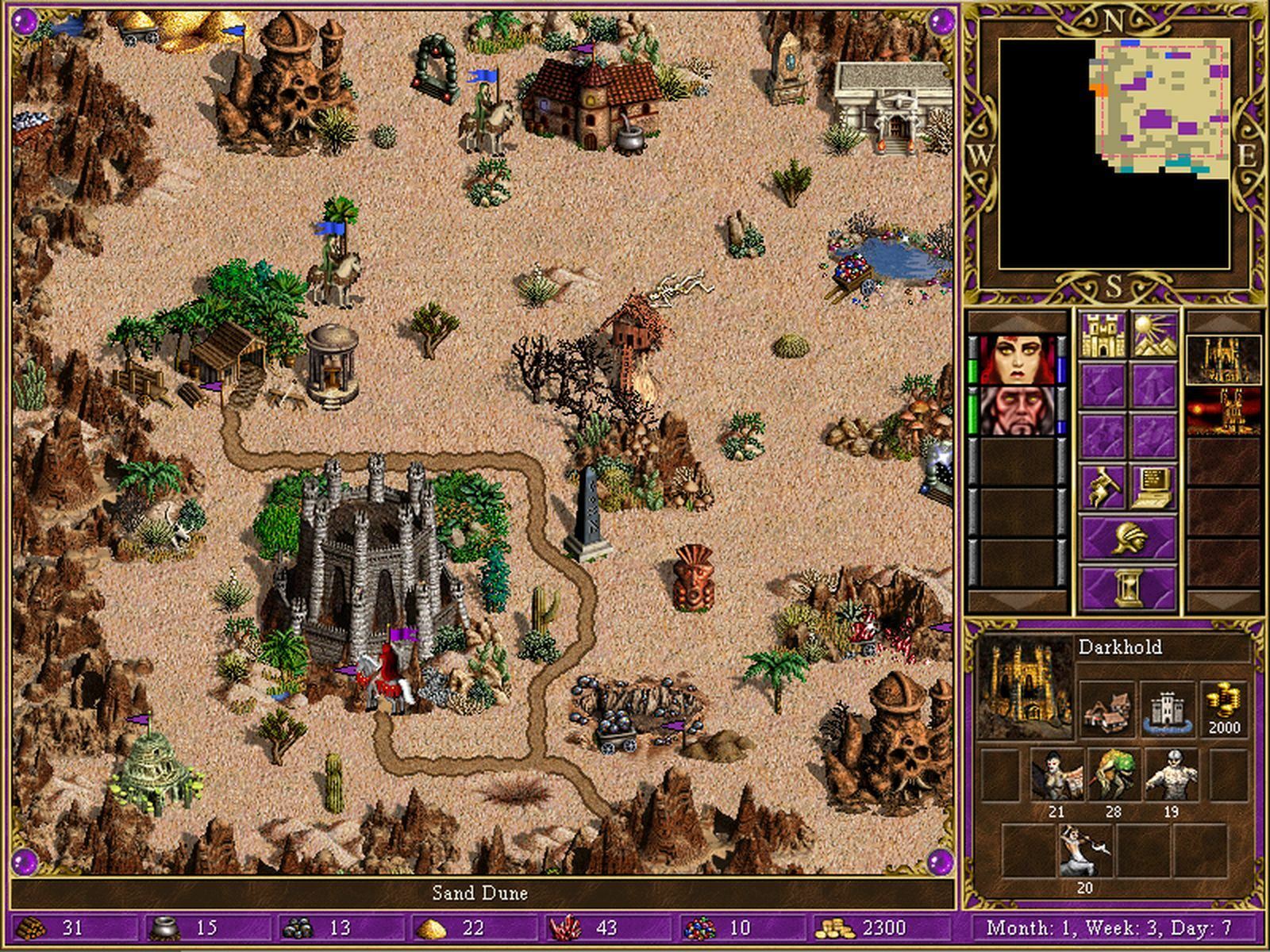
From our internal data, Heroes of Might and Magic is the clear standout among Slovak players. Not just Heroes III, but also Heroes IV and Heroes V show consistently high playtime and repeat sessions. This isn’t casual nostalgia – it’s a series people actively return to and spend real time with.
Another strong pattern is RPGs, especially The Witcher series. Both The Witcher: Enhanced Edition and The Witcher 2 perform very well in Slovakia, with long average session lengths. That usually indicates full playthroughs rather than quick revisits.
A few interesting takeaways:
Overall, Slovak players seem to gravitate toward games that reward mastery, long-term commitment, and replayability – exactly the kind of titles that tend to age well and remain relevant decades after release.
One of your newer initiatives is GOG One-Click Mods, which allows players to install mods with a single click. Could you explain how this system works under the hood and what motivated GOG to create it?
For us, One-Click Mods are part of a broader idea of game preservation. We don’t just want to preserve games themselves, but also the creativity of players and modders – people who often spend hundreds of hours expanding, fixing, or reimagining the games they love. Mods also significantly extend the lifespan of games, adding new content, new systems, and new reasons for players to keep coming back years after release.
At the same time, modding has a reputation for being complicated. Manual installation, conflicting versions, missing dependencies, long readme files – for many players, especially newcomers, that complexity becomes a barrier. Our goal was to remove that friction while also ensuring safety and trust – so players know they’re downloading verified files from a reliable source.
The process starts with scouting. Our team actively looks for mods that fit our values and standards. We focus on popular or culturally significant games, and on mods that have real impact – whether that’s new content, major gameplay changes, restorations of cut material, or meaningful technical improvements.
Once a mod is shortlisted, we go through several checks:
– we look at its popularity and relevance within the community
– we evaluate its technical quality, stability, and security
– and we contact the original game’s developer or rights holder to make sure there are no objections
If everything checks out, the technical work begins. We analyze how the mod is installed, what it modifies, and how it interacts with the base game. Many large mods weren’t designed with simplicity in mind – a good example is GAMMA, which on its own is a massive mod pack with well over 400 individual mods and a very complex installer. Making something like that work with one click required us to adapt our internal installation tools and pipelines specifically for this purpose.
The end result is that, from the player’s perspective, installing a mod feels just like installing a game. One click, no manual steps, no guesswork – and confidence that everything comes from a safe, trusted source.
GOG is not only about classic games but also actively adds new titles. How challenging is it to negotiate with publishers who often have DRM-based policies, especially considering GOG’s strict stance on DRM-free releases?
I wouldn’t say it’s always easy – but it definitely gets easier with time.
After nearly 18 years on the market and hundreds of successful releases, publishers know who we are and what we stand for. They understand that DRM-free is not a temporary experiment for us, but a core value that hasn’t changed since the beginning. That track record matters. It builds trust.
Of course, every conversation is different. Some publishers are immediately open to the idea, others need more time, internal discussions, or simply proof that a DRM-free release can work commercially. Sometimes negotiations move quickly, sometimes they take months – or longer.
What helps is that we’re very clear and consistent. We don’t position DRM-free as a risk, but as a different model – one built on trust with players, long-term value, and strong community goodwill. And over the years, many publishers have seen that this approach works.
We genuinely believe that, step by step, more iconic games and series will find their way to GOG – DRM-free, and eventually as part of the GOG Preservation Program.
How do you balance the addition of modern games with maintaining the platform’s focus on quality, classic titles, and preservation?
At our core, GOG is a European platform built around game preservation and classic titles – that’s where our identity comes from, and that focus hasn’t changed. At the same time, we do release modern games, including Day 1 launches of high-profile titles.
The key is curation. We don’t aim to carry every new release on the market. Instead, we focus on quality and fit. If a game appears on GOG, it means someone on our team has played it, reviewed it, and decided it belongs on the platform. We want players to feel that browsing GOG is different from scrolling through an endless catalog – it’s a place where every title has passed a human check.
That same mindset applies to preservation. Modern releases help sustain the platform, while our long-term investment goes into keeping classic games playable and accessible. These two goals don’t compete with each other – they reinforce each other.
We hope this approach is visible to both players and publishers. And judging by the growing number of studios choosing to release their games on GOG from day one, it’s a balance that more and more partners are comfortable with.
Could you share your thoughts on the Dreamlist initiative, where players vote for games they want added? How successful has this been, and has it influenced your acquisition or negotiation priorities?
We’re very happy with how the GOG Dreamlist has evolved.
First of all, it’s become much more than a voting tool. It’s a place full of memories, personal stories, and genuine passion. Players don’t just say what they want – they explain why a particular game mattered to them, and that context is incredibly valuable.
From a practical perspective, the GOG Dreamlist helps us understand which games are missed the most and where to focus our efforts. As we’ve mentioned before, bringing a game back can take years – sometimes even over a decade. For many titles in the top part of the GOG Dreamlist, we’ve already been in discussions with publishers for a long time, and we’re actively working on a significant portion of the top 50.
That doesn’t mean the GOG Dreamlist is symbolic. Quite the opposite. Showing that a game still has an audience, that people care about it, and that it carries emotional weight absolutely helps in negotiations. There have been cases where community votes and, just as importantly, the stories shared by players genuinely tipped the balance in favor of bringing a game back.
So yes – the GOG Dreamlist works. And if there’s one thing we always encourage players to do, it’s not just to vote, but to share their memories. They really do matter.
Recently, at the end of December, Michal Kicinski, co-founder of GOG and CD Projekt, acquired GOG. What does this mean for the platform and its users?
For GOG as a platform, this means a structural change. We’re no longer part of a publicly listed capital group, which naturally comes with a lot of reporting, auditing, and formal obligations. That gives us more flexibility and space to operate.
Just as importantly, GOG is no longer one part of a much larger organization primarily focused on building large-scale AAA RPGs. With Michał Kiciński as our owner, we gain more direct attention and focus on what we do best: developing GOG within its own niche, with a long-term perspective.
For players, nothing changes in terms of how GOG works day to day. Our values remain the same, our commitment to DRM-free games and game preservation remains unchanged, and our team continues to do exactly what it was doing before.
What does change is our outlook. We’re optimistic about the future, we have more room to develop the platform in our own direction, and we have some interesting announcements planned down the line. When the time is right, we’ll be happy to share more.
How will this change the relationship between GOG and CD Projekt RED, now that the companies operate independently? Will players see any tangible impact on the platform’s offerings or policies?
No, the players will continue to enjoy GOG’s offer as they used to.
From a strategic standpoint, why did Kicinski decide to make this move, and how long had it been in the works? The announcement was notably made between the holidays — was there a specific reason for this timing?
From what Michał has shared publicly, this decision was driven by a long-term perspective rather than a short-term business move. GOG has always been close to him – not only as a co-founder of CD PROJEKT, but also as one of the people behind the original idea for GOG itself. It’s a platform built around values that matter to him: player trust, DRM-free games, and long-term game preservation.
The process itself took a few months and was completed in line with plans toward the end of the year. We can’t go into the details of the agreement – and we think that’s understandable – but it wasn’t a rushed decision.
As for the timing, the announcement simply coincided with the conclusion of the process at the end of the year. There wasn’t a hidden message behind the date – just a natural moment to close one chapter and open the next.
From our perspective, it’s hard to imagine a better outcome. GOG remains in the hands of someone who understands its DNA, believes in its mission, and wants to give it the space to grow on its own terms.
Financially, what implications does this acquisition have for GOG? Does it affect investments in new features, expansions of the catalog, or initiatives like preservation and One-Click Mods?
We continue to invest in new features, catalog expansion, and initiatives like the GOG Preservation Program and GOG One-Click Mods.
What does change is the context we operate in. Being outside a publicly listed group means fewer formal constraints, less reporting overhead, and faster decision-making. That allows us to stay more focused on GOG itself and execute our plans more efficiently.
From the player’s point of view, nothing changes – except that we can move quicker and stay fully focused on what GOG does best.
Looking ahead, how does GOG see its role in the broader gaming ecosystem, particularly in a market saturated with new releases every day? What do you see as the next big innovation or focus area for the platform?
We see GOG as a counterweight to the noise. In a market flooded with new releases every day, we’re the European game distribution platform that’s curated – and the only one with a long-term focus on game preservation and classic titles.
Our role is to make sure important games don’t get lost, whether that means bringing back titles that have disappeared from commercial circulation or making sure classics remain playable on modern PCs. That’s our niche, and we’re comfortable in it.
As for what’s next - we have plans, but like always, we prefer to talk about them when they’re ready. I hope you understand.
Finally, can you tease any upcoming titles or projects that GOG fans might look forward to in the near future?
Och, I wish… exciting times ahead!