|
Pixels in the Blood: The Journey of Rob Hewson4/15/2026
In this candid interview, we sit down with Rob to discuss the burden and beauty of a family legacy, the technical "scar tissue" left by the ambitious Hydrophobia, and why porting a masterpiece like Inscryption to consoles is far more than a simple co
|
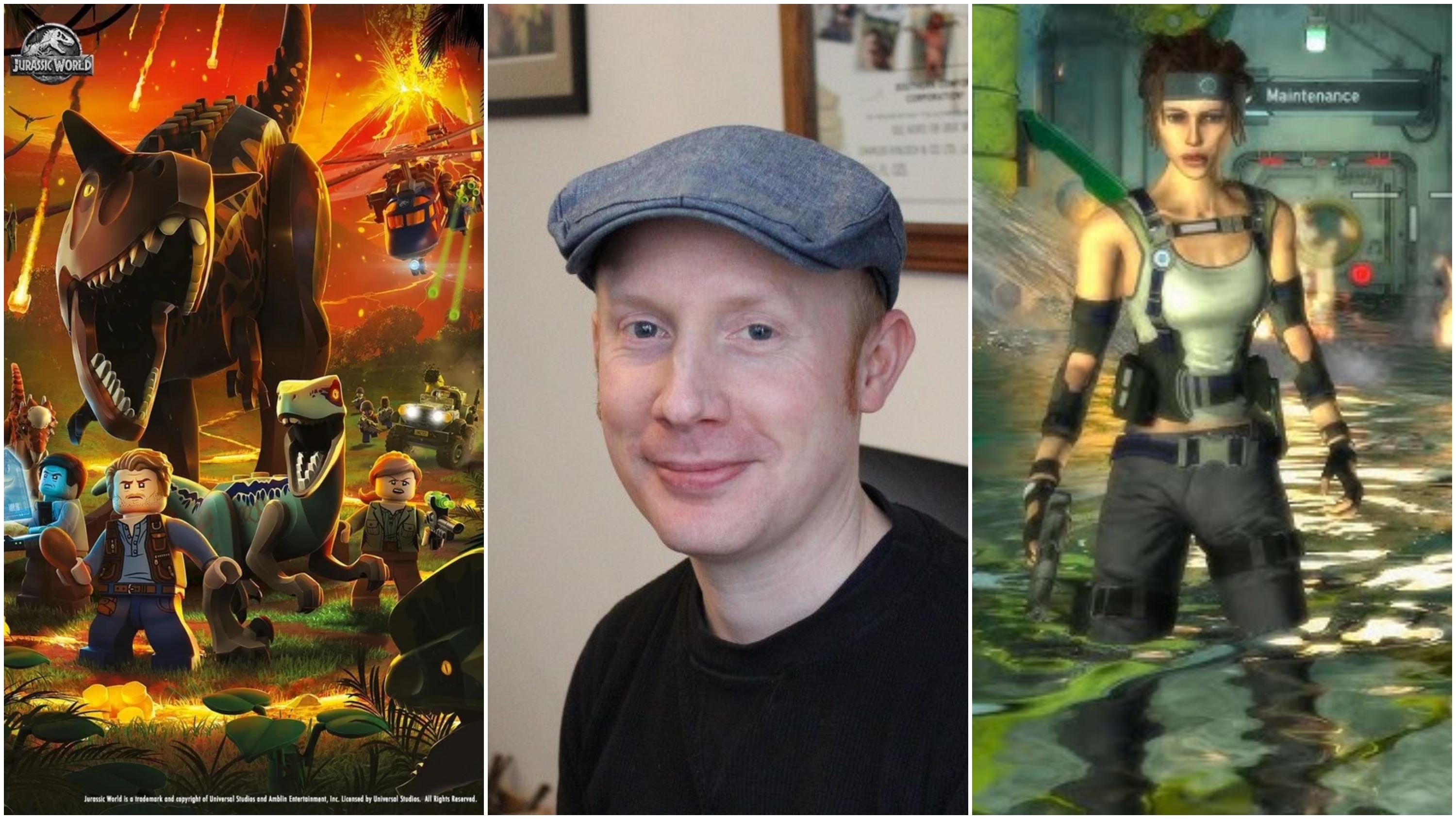
The name "Hewson" carries a special weight for anyone who grew up during the golden age of British computing. As the son of Andrew Hewson—the man behind legendary publisher Hewson Consultants—Rob Hewson didn't just grow up playing video games; he learned to spell his name from their title screens. However, Rob didn't just rest on his family's 8-bit laurels. From leading major LEGO franchises at TT Games to tackling the high-stakes world of technical porting at Huey Games, Rob has carved out a unique path in an ever-evolving industry. In this candid interview, we sit down with Rob to discuss the burden and beauty of a family legacy, the technical "scar tissue" left by the ambitious Hydrophobia, and why porting a masterpiece like Inscryption to consoles is far more than a simple copy-paste job.
You come from a family strongly connected with the 8-bit and 16-bit era. How much did that legacy influence your decision to become a developer yourself?
I was very fortunate to grow up around video games. My dad started out writing books about programming the ZX Spectrum, and eventually, people started sending him cassette tapes with their own games on them. He began selling those through magazines, and his company evolved into a video game publisher at a time when such a thing didn't even exist—he was essentially making it up as he went along.
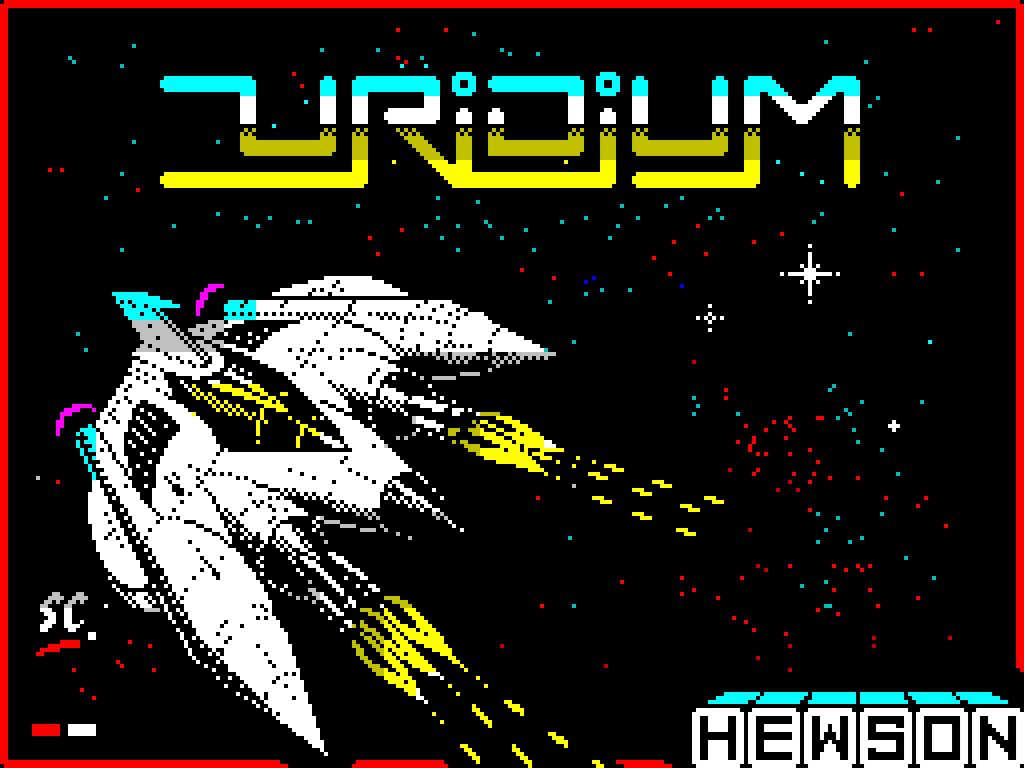
I grew up with a Commodore 64 in the house. I actually remember being four or five years old and learning to spell my surname from the title screen of Uridium on the C64, because the company was called Hewson. I remember reading the letters, spelling it out, and then running out into the sunshine, having learned my own name from a video game.
As a kid, I’d go to events, collect stickers, and go behind the scenes; I just loved it. I think it definitely influenced me—I always wanted to be a games designer. I used to tape together pieces of A4 paper to draw out level designs for Sonic or other made-up games. My dad would probably say he never explicitly encouraged me, though. If you read his book, Hints and Tips for Videogame Pioneers, you’ll see it was often quite stressful for him, and he likely thought, "Don’t get into this business." My sister didn't go down that route, but I always wanted to. By the time I officially started in the industry, he had already left it in the late 90s, but growing up around it made a career in games seem possible.
How about your kids—are they into video games as well?
My kids are eight and five now, and they are currently playing Wobbly Life, Goat Simulator, and Minecraft. And, of course, they’re always fighting over the computer to play Roblox. I love watching them play together, especially when they don’t know I’m watching. They develop these little strategies, saying, "You do this and I'll do that." It’s great to see that teamwork. Who knows if they’ll want to get into the industry when they’re older? Who knows what the industry will even look like by then.
Do you see that family heritage today as a motivation, a responsibility, or perhaps a form of pressure?
I don't see it as a form of pressure at all. I’ve never felt pressured by it; I feel very lucky and privileged. We’ve been able to leverage that retro background—for instance, we’ve done Kickstarter campaigns for my dad's books and similar projects. We’re fortunate to have a following of people who remember his games from back in the day. To me, it’s just a privilege. Nostalgia is wonderful; it makes people smile, and when I meet people who remember those games, they’re genuinely excited. I just think it’s great.
You worked on several titles that carry both a LEGO license and a movie license. What is the biggest difference when working with multiple IPs simultaneously compared to a single one?
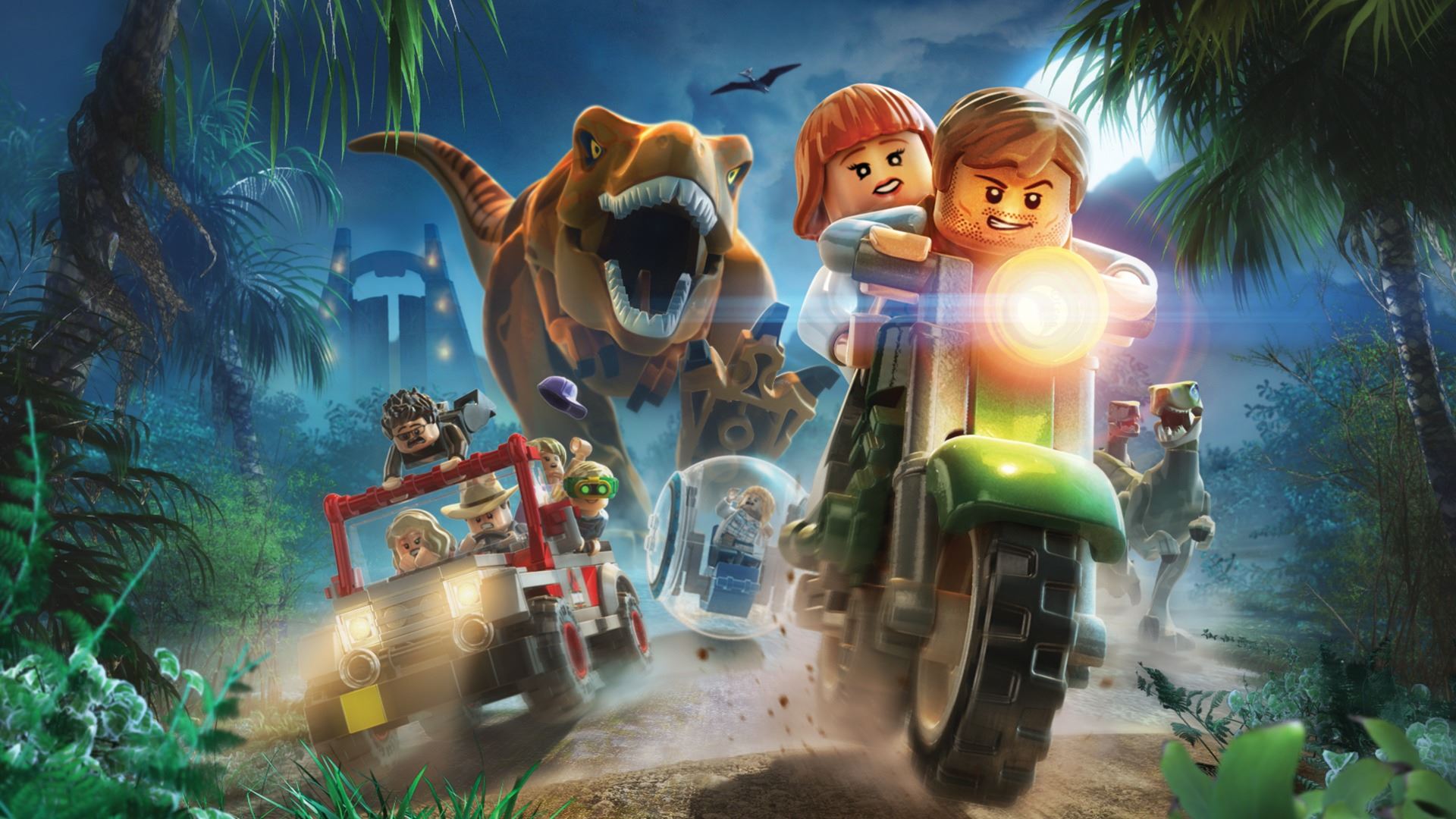
Working with two—or sometimes three—IPs often feels like working with different worlds at once. For example, on LEGO Jurassic World, you’re working with LEGO on one hand, Universal (who owns Jurassic Park) on the other, and Warner Brothers (who own TT Games). Navigating three major stakeholders is a challenge because they all have their own interests.
There was also a lot of pressure regarding timelines back then, needing to hit either the cinematic release or the subsequent DVD and Blu-ray launches. It was high pressure, but you learn the particular sensitivities of each IP holder. You respect them and work with them. Mostly, it’s just a great honor and a joy to work with such amazing franchises.
Does working within these licensed franchises create more creative limitations, or does it open up unique opportunities?
I actually think it opens things up. Constraints allow you to be more creative. As a designer, a blank piece of paper is quite scary. But if someone gives you a piece of paper with rules on it, you have boundaries to work within. Having a framework and knowing the rules—what you can and can't do—gives you fuel. Constraints allow you to focus and channel your creativity in a very specific direction toward a vision. Instead of going in any direction, you find clever ways to craft toward what the IP holder needs.
Does every idea need approval from these IP holders, or is there room for creative freedom?
It depends on the contract and the IP holder. Different holders insist on different levels of control and sign-off. When I was at TT Games, the studio had reached a point where they were deeply trusted by their partners. They had proven themselves time and again, so they had earned a level of leeway.
There were occasions where we’d think something was okay, only for a stakeholder to say, "No, that’s not okay," which leads to a bit of a back-and-forth. But most of the time, it wasn't a problem because we were trusted to get on with what we knew how to do. If we were ever unsure, we’d talk to other experienced people at the company and figure it out.
LEGO games blend humor, action, and respect for the source material. How do you find the right balance between parody and staying faithful?
We always thought of it as looking at a world through a "LEGO lens." What does Lord of the Rings look like through the lens of LEGO? You need the same story and the same plot points, but you turn them on their head slightly to make them funny.
LEGO games have this wonderful irreverent humor that appeals to all ages—like busting in on a Stormtrooper sitting on the toilet reading a newspaper. It makes everyone smile. You respect the source material and tell the story, but you put that specific spin on it. As long as it was wholesome, family-friendly, and maybe had a bit of "cheekiness" for the parents to catch, it worked. If we were ever unsure, there were plenty of experienced people around to say, "Yeah, that’s getting a bit too crazy."
Let’s look back at Hydrophobia, which was an ambitious project built around water simulation technology. How do you view that experience today?
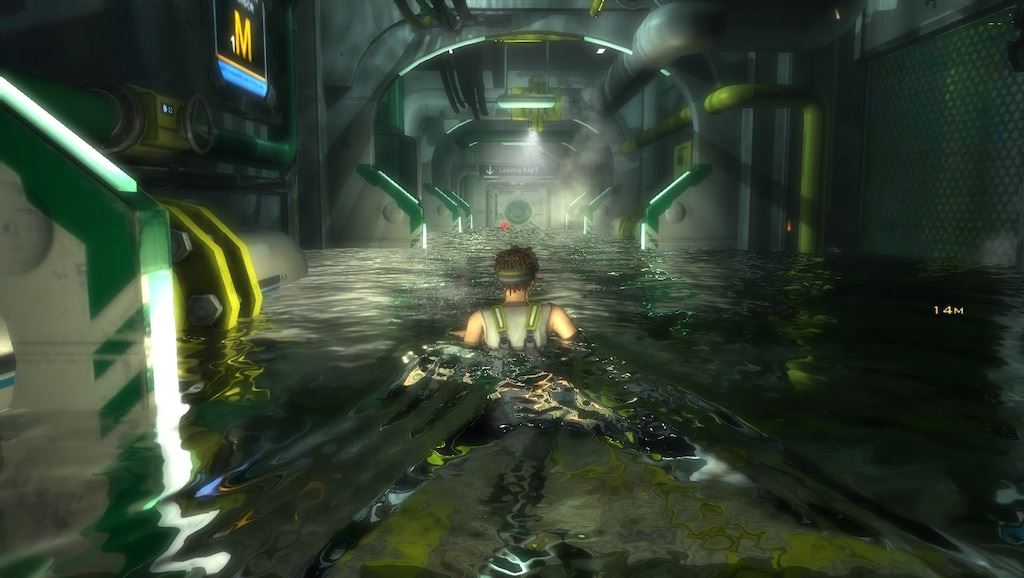
Hydrophobia is not one that gets brought up very often! I learned a huge amount from it; it was one of the earlier projects in my career. The water simulation was incredible—even today, I don't think I’ve seen another game do fluid dynamics quite like that, and we did it on the Xbox 360.
It was a real journey. Back then, we were building our own engines to make games. Unity and Unreal Engine existed, but you had to pay literally millions or hundreds of thousands for a license. So, companies built their own engines; we were building one called Infinite Worlds specifically for Hydrophobia. It was a colossal undertaking.
We changed directions so many times that it was difficult to make progress or "find the fun." We signed with one publisher, then a new person came in and they cut us loose. Then we signed with Xbox. I thought, "This is a platform holder, they’re going to help us make the most of this," but the lesson was that you have to do it yourself.
I remember going to the Xbox campus and seeing their amazing usability playtesting labs—a living room setup behind one-way glass. I thought, "This is great, we’re going to playtest here," but it never happened. We were under so much pressure, the budget was drying up, and we were running out of time. We had to cut corners just to get the game out. One of the issues with fluid dynamics is that they are unpredictable. In one playthrough, nothing would happen; in another, the water would cause something really cool, and it felt like a different game. It was just very hard to make those moments happen consistently.
What was the biggest lesson you personally took from that project?
The biggest lesson was: keep it simple and find the fun. If we had focused more on what we could have done specifically with the fluid dynamics and jettisoned all the other ideas that weren't core to that, we could have made a more focused game. Sometimes less is more. You can easily over-complicate things.
HyperSentinel carries a clear retro DNA. Was that a deliberate nod to your family’s history or a natural development?
It was both. I was introduced to Jonathan Port (456 Pixel) through a friend. He was already making HyperSentinel, which was inspired by Uridium—the game my dad’s company published in 1986. Since he was already making the game, and we were in the early days of Huey Games, we suggested collaborating. We could tap into our retro following and the people on Kickstarter who backed our books.
It happened by accident, but it was an opportunity. We partnered up, got funding on Kickstarter, and ported it to consoles. Now, we’ve decided to collaborate again on a much more ambitious sequel. That’s what I love about this industry—meeting people, loving what they do, and saying, "We can bring this to the table, you bring that, let’s go do something."
Huey Games focuses heavily on porting and co-development. What is the biggest distinction between this and creating original IP?
From a business point of view, work-for-hire is lower risk—though nothing is truly stable at the moment. It’s easier to find revenue through clients than it is to find funding for an original game. From a development standpoint, you’re using your expertise and tools to do something specific, but you don't have the same sense of creative ownership.
When you work on your own IP, it’s magical. That sense of creativity and passion, trying out cool ideas, seeing what works—there’s nothing like it. But work-for-hire can be satisfying too. We worked on Inscryption with Daniel Mullins, who is a genius. We brought it to consoles and worked with him on the design because the PC version was keyboard-and-mouse only. We had to figure out how to translate that for controllers. When you’re working with someone like Daniel, you’re just like, "Wow." You get a bit of that creative magic, but it’s still different from working on your own thing.
What aspect of porting is the most challenging or overlooked by players?
Porting is definitely underestimated. We’ve developed our own technology, Huey Core, to make the process more turnkey and efficient. It’s now on version 3.7 and handles a lot of the platform contrasts and compliance just out of the box.
Without a tool like that, you’d have to write everything from scratch. That said, optimization—especially for the Nintendo Switch—is a real engineering challenge. It’s a lower-performing platform, and we often see games from talented but new developers where things aren't set up optimally. We have to re-engineer things to hit a decent frame rate, whether that’s triangle counts or memory management.
Then there are online features. Implementing multiplayer or online features on consoles requires massive compliance with Xbox Live or PlayStation Network. You have to set up your game to work exactly the way their networks do, and they are all different. If it’s a fast-paced game, you’re dealing with sync issues and specific middleware. Optimization and online features are usually where the biggest challenges lie.
To wrap up, what elements did you focus on during the LEGO games that made them feel so special?
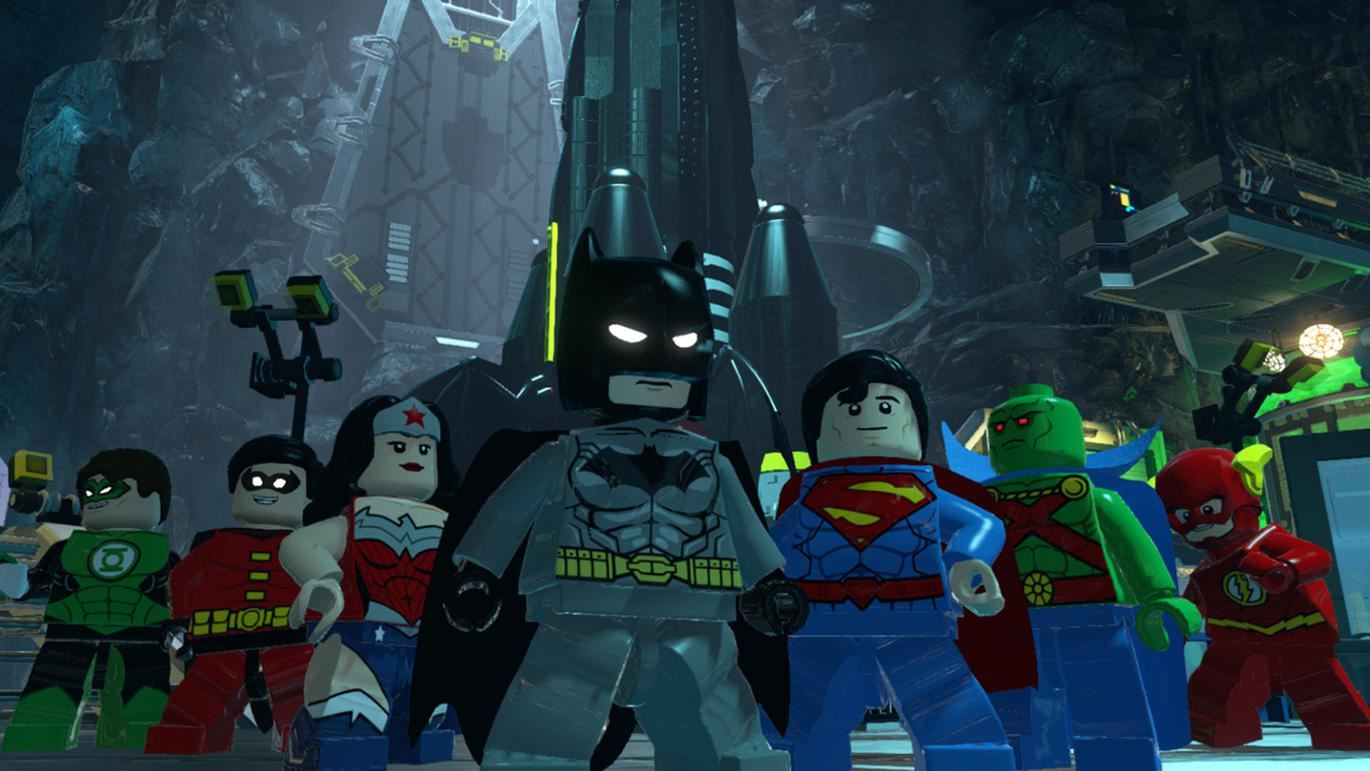
I was lucky to work with people who had been making LEGO games for years and knew what resonated. On LEGO Batman specifically, we tried to add layers of depth. It needs to be simple enough for kids to play with their families, but there should be nuance and detail for older players.
On LEGO Batman 3, we really went to town on the characters. Managing a huge roster is a challenge because each character needs unique mechanics and abilities. We focused on replayability—that "Metroidvania" feel where you unlock a character like The Flash and realize you can now go back to an earlier level and run fast enough to get through a door you couldn't open before.
We focused on "peeling back the layers of the onion" so there was always more to discover. We also spent a lot of time on "game feel," specifically how the vehicles handled. Even if it's "just a LEGO game," you still want to feel heroic while playing. We had a very short timeline for that project, so I remember being pleasantly surprised when the reviews were so positive. When you're flat-out just trying to finish a project, you sometimes lose perspective on whether you’ve done it justice. It was a relief to see that we did.