|
From Hardcore Henry to World of Tanks: Ilya Naishuller on games, action and filmmaking6/29/2026
Director Ilya Naishuller built his reputation on stylish, energetic action films such as Hardcore Henry, Nobody and Heads of State.
|
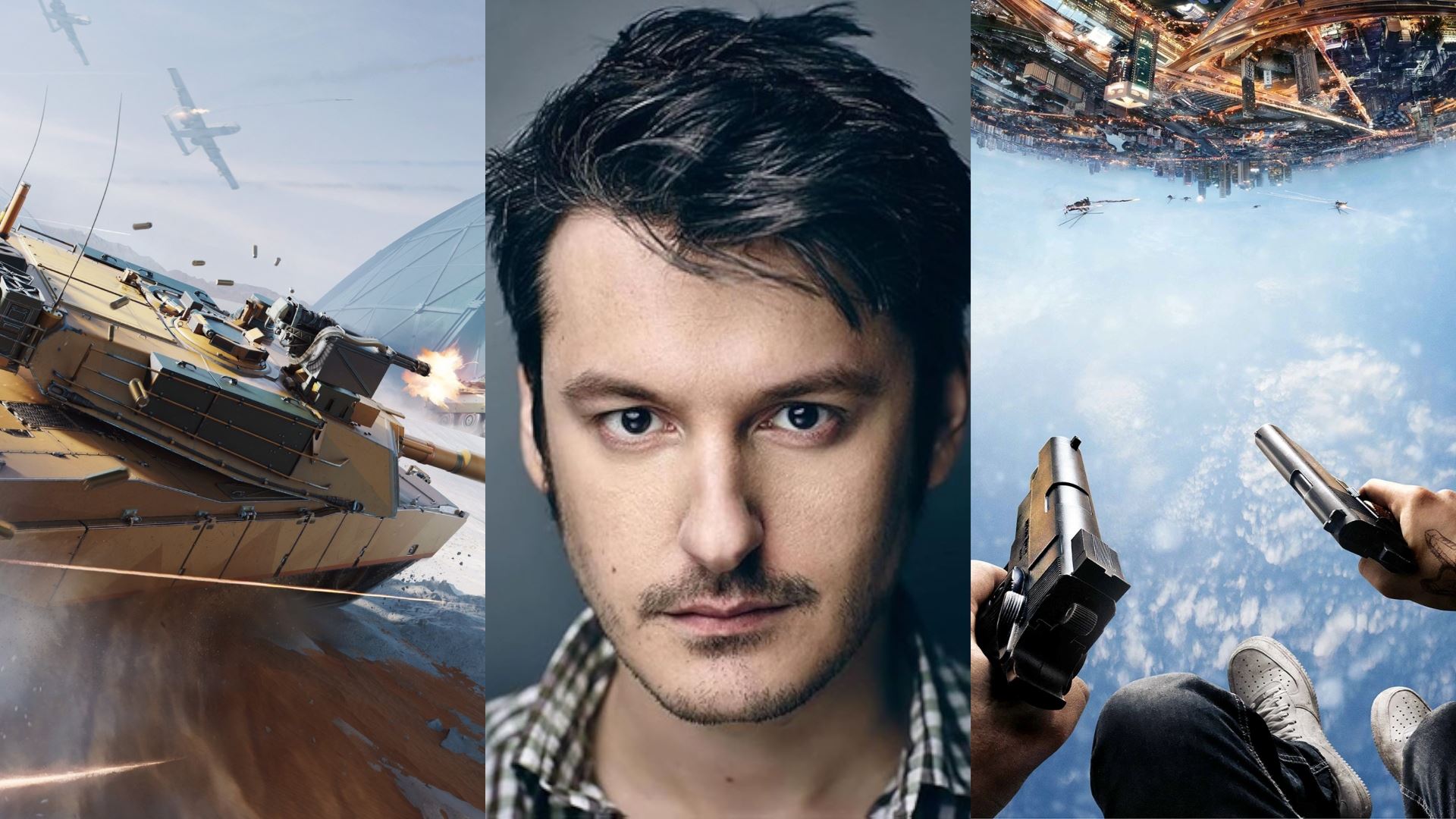
Director Ilya Naishuller built his reputation on stylish, energetic action films such as Hardcore Henry, Nobody and Heads of State. Alongside his film career, however, he has always been an avid gamer, spending countless hours in FPS, RTS and deckbuilding games. Recently, he also directed the CGI trailer for World of Tanks: HEAT, which gave us an opportunity to talk about the relationship between games and cinema, the challenges of creating a first-person action film, his work on S.T.A.L.K.E.R. 2 cutscenes, and even the possibility of making his own game in the future.
Are you a gamer yourself? What kind of games do you usually play, and how important have games been in your life growing up?
Yes. Entertainment wise, the two arts that make me happy are films and videogames. Films I’ve been in love with since I was 6 or 7 and I’ve been an avid gamer since I picked up a Game Boy back in 1991 and only paused around my mid-twenties when I thought it’s too distracting, only to fill that hole with silly iPhone games. When I realized what’s happening, I bought the most expensive PC I could afford and only step away to work. I’m joking, but kind of not. My favorite genres are FPS, RTS and lately I’ve been spending a lot of time in deckbuilders.
Hardcore Henry is often described as one of the closest things to a first-person shooter film. Where did the original idea come from, and why did you decide to tell the story through a first-person perspective?
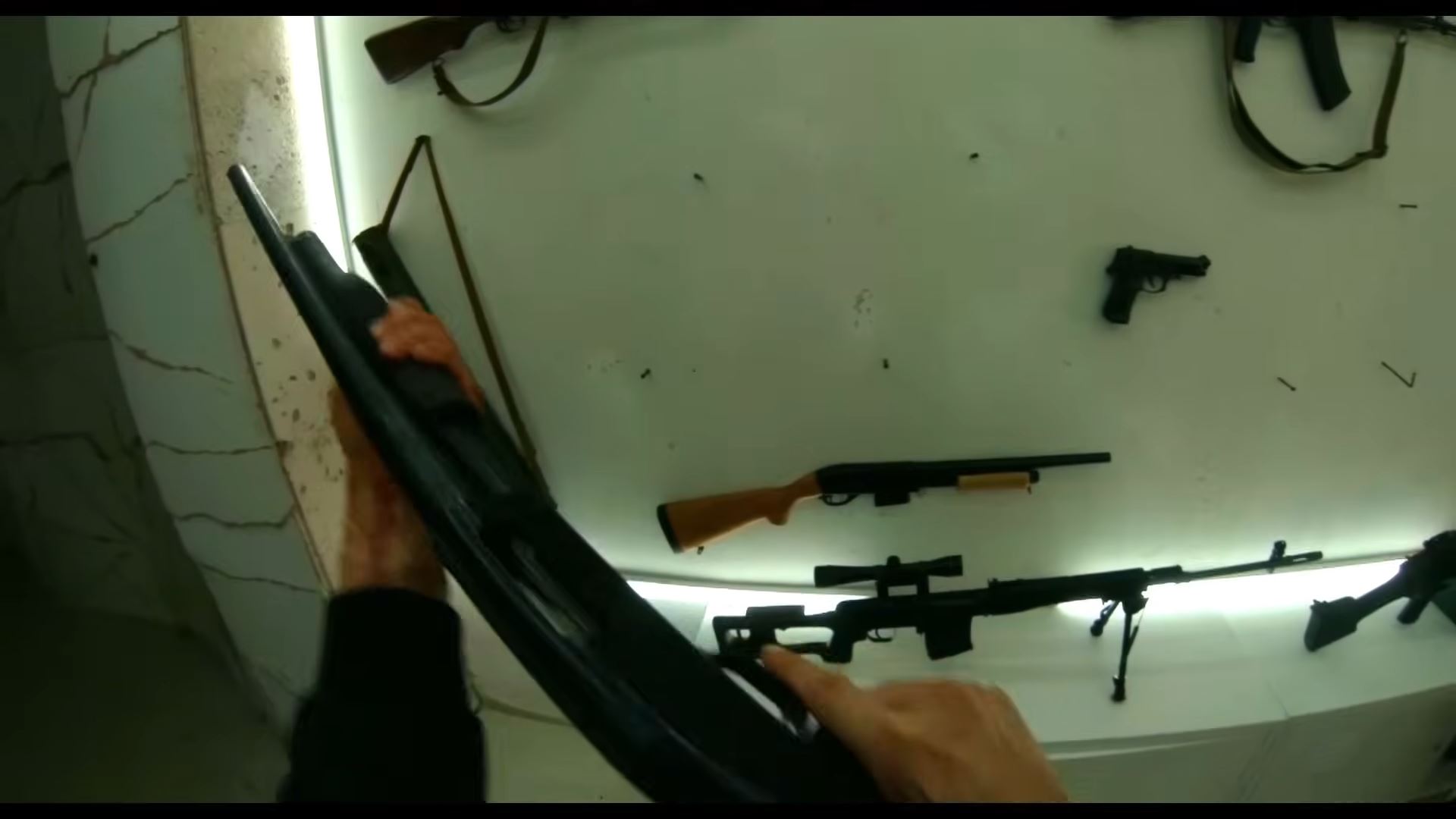
I made two first person music videos for my band, Biting Elbows, and the second one took off in a huge way, getting retweets from people like Darren Aronofsky and Samuel L. Jackson. I got an offer to make a feature based on the FPS concept a few hours after the video debuted on YouTube. I didn’t think it was a great idea, that the style couldn’t hold attention in film form for 90 minutes, and my producer, Timur Bekmambetov, asked whether I’d watch a great POV action film in a cinema and the answer was yes, so he said “just go make it then”. The rest was a mad rush for the next three years to make a gimmicky, silly experiment into a fun satisfying cinematic experience.
Did any specific games directly inspire Hardcore Henry in terms of structure, pacing, or visual style? Or was it more about capturing the general feeling of being inside a game?
It’s both, the overall feel was based on trying to capture a flawed playthrough of a very intense single player campaign with occasional nods to my favorite games - this was a decade ago, so I don’t remember the full list, but there’s pieces of Call of Duty, Mirror’s Edge, Left 4 Dead, GoldenEye and many, many more.
What were the biggest technical and creative challenges when making a full feature film in a first-person POV? Did it ever feel like you were “breaking” cinematic grammar on purpose?
When you make a film, you have a cinematic language that’s been spoken for a hundred years, you have references, you can look up examples of how the best directors did a particular scene or shot, but with Hardcore Henry, due to the unique visual style, often felt like I had to create a new language, a new point of reference. It was a curiously complicated yet satisfying process. I had a great team around me and we all believed that this could work.
Your later films like Nobody and Heads of State also feature very kinetic, stylized action. Do you see video games as an influence there as well, even if more subtle than in Hardcore Henry?
I have to pull myself back sometimes to stay more cinematic and less chaotically kinetic. I think the real reason why I’ve shot my last two films in a mostly calm, deliberate fashion that’s heavily storyboarded is because I had such a manic, improvised camera work on Hardcore Henry.
Modern games and action cinema often share similar language — choreography, camera movement, pacing, even UI-like storytelling elements. Where do you think the line between the two mediums is today, if there is any?
While they share plenty, the two formats are inherently different in regards to their ultimate mission. No matter the genre of film or game, they exist first and foremost to entertain you. Films should grab you, hold your attention and move you emotionally and to do that you need a strong story and characters in a tough predicament. A game is usually gameplay first, everything else second. Like all art, everything cross pollinates, borrows and steals, but one gives you some control the other holds your hand.
Do you think film and games should stay distinct as separate art forms, or is the blending of their aesthetics and techniques something inevitable and even desirable?
The more different films and games exist, the better. I want to watch huge silly blockbusters and small dramas, triple A titles and one man developer indies. Most of us consume a lot of different forms of entertainment so as long as each artform takes the best from the rest, everything will keep evolving, which is great for everyone.
How did your collaboration with Wargaming on the World of Tanks: HEAT CGI trailer come about, and what was your creative approach to that project?
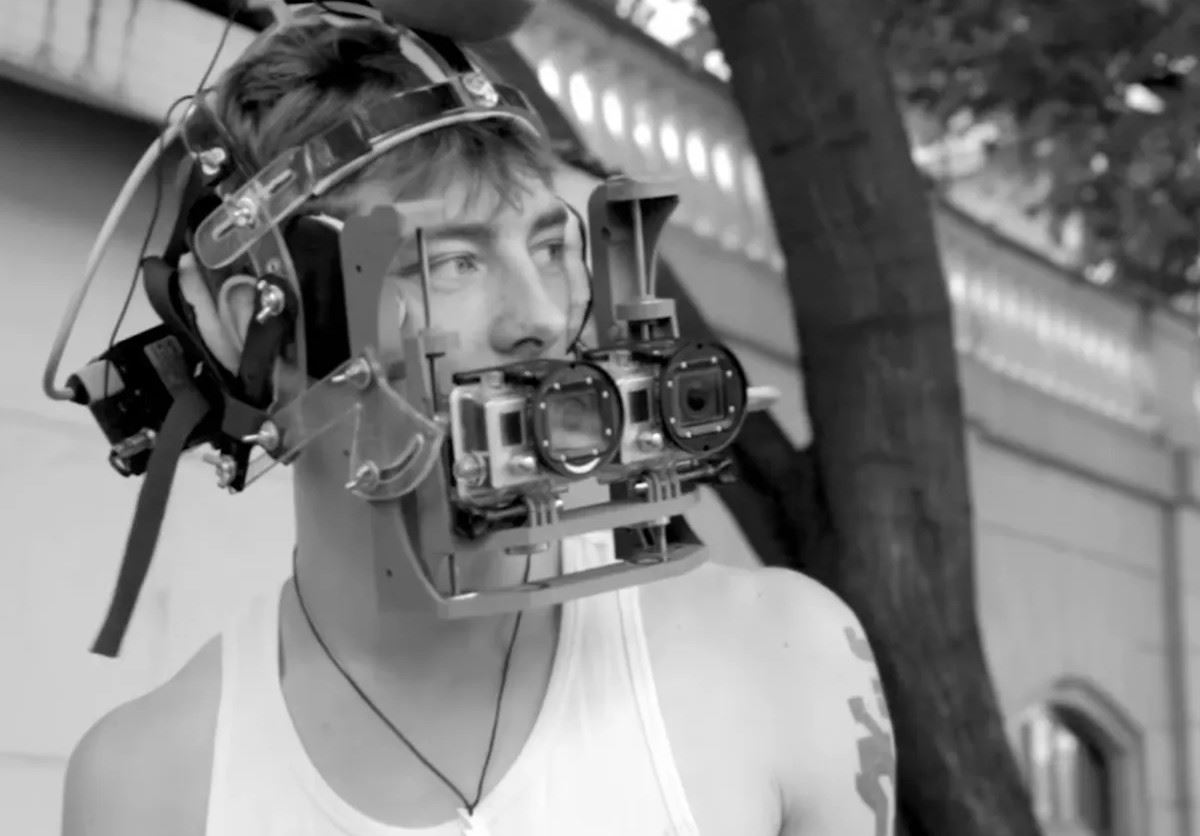
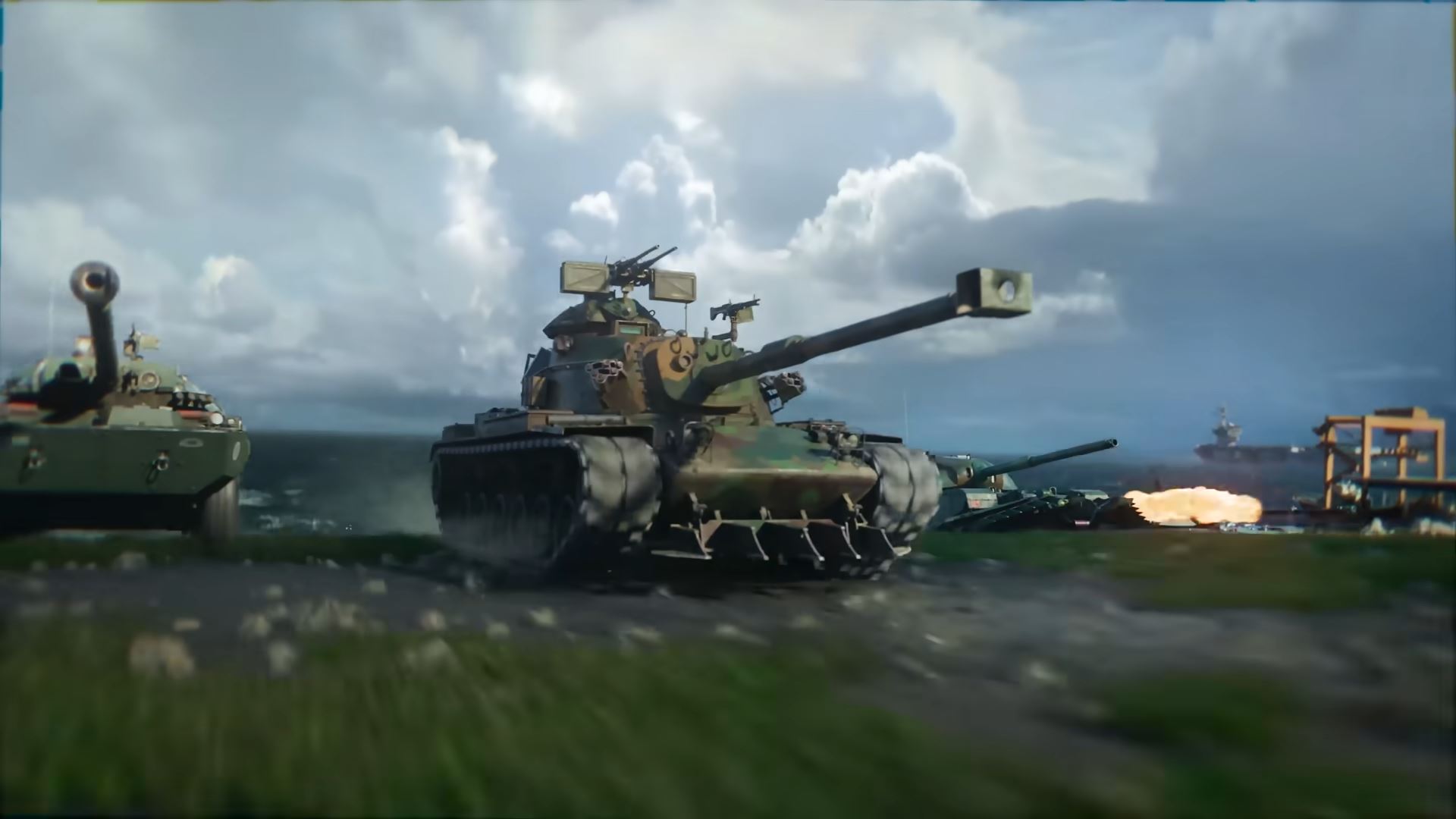
It was very straightforward. The guys reached out and said they wanted a fun action trailer. Showed me the materials, the gameplay and left me to write the script. It’s a simple concept, 4 vs 4 arcade tank warfare in a pleasant, destructive environment. The rest was coming up with fun action beats and ways to pass the baton between each one of them.
What are the main differences between directing a film and creating a high-impact game trailer? Do you have to think more like a game designer in that context?
The production pipeline is completely different except the start and finish. Meaning, the script and storyboarding stage is similar as well as the sound mix, but production is basically adding layers and layers of quality improvements to shots that you’ve made months ago. Unfortunately, playing a billion games doesn’t make me a good game designer. I am fully in film director mode.
Several filmmakers like Neill Blomkamp, Steven Spielberg, or John Woo have been involved in games or game-adjacent projects. Does that space interest you as well — would you ever consider directing or creatively leading a video game?
I’ve shot cutscenes for Stalker 2 and that was a tremendous amount of fun and I would love to play a creative part in the gameplay. I’m currently slowly but surely moving towards making a small game to begin with. We’ll see what happens.
Finally, looking at how games and cinema keep influencing each other, where do you personally see the biggest creative potential in the next 5–10 years?
I expect that games will continue to grow and films will have to get smarter to stay as relevant and investment worthy. AI is obviously of some concern, will it exist as a great tool or will it replace us? I doubt the second will be a real issue quite a long time, but many have made the mistake of underestimating the technological shitstorm that’s coming. This month’s box office is a huge deal to the industry, two small films directed by YouTubers have made more money than the new Star Wars. Will this affect anything, it should, but knowing how slow the Hollywood ship turns, it probably won’t.