|
Charles Cecil reflects on 30 years of Broken Sword and the future of adventure games7/16/2026
When people talk about the golden age of adventure games, Charles Cecil's name inevitably comes up.
|
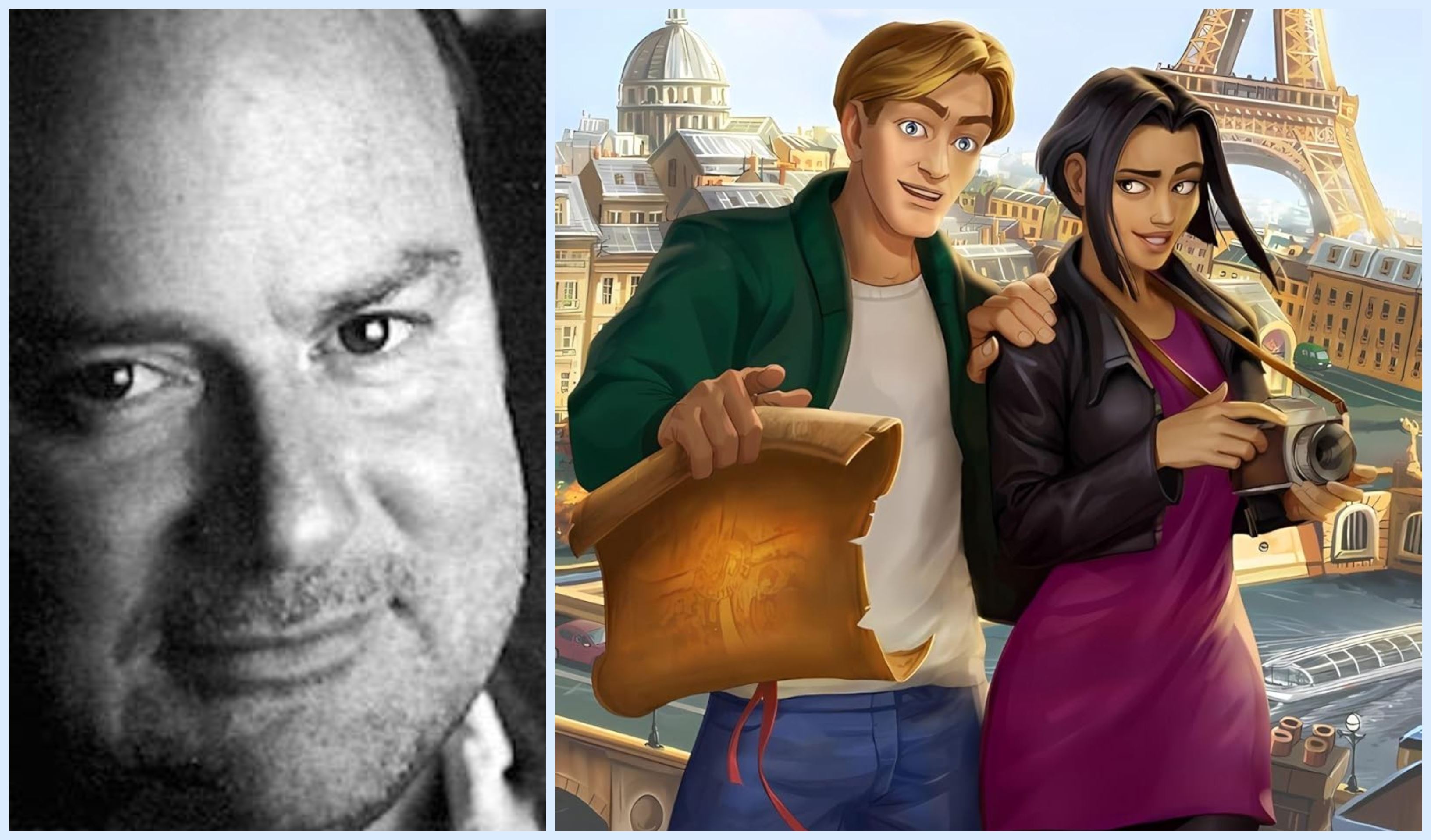
When people talk about the golden age of adventure games, Charles Cecil's name inevitably comes up. As the co-founder of Revolution Software, he helped create some of the genre's most beloved classics, many of which continue to find new audiences today. We sat down with the industry veteran to discuss Broken Sword's remarkable longevity, today's rapidly evolving games industry, the opportunities and risks of AI, and what still excites him about making games after more than three decades.
The last time we spoke, the remaster of the first Broken Sword was still in development. Now that it’s out, how would you evaluate its reception and performance? Did it meet your expectations?
Well, first of all, we launched a Kickstarter campaign that raised £680,000 — nearly a million dollars. That was phenomenal, especially since I had been told that while Kickstarter still works well for board games, it’s no longer really effective for video games. That clearly wasn’t the case.
As I mentioned in my talk, we worked really hard to try to make the game appeal to a new audience, so I was really gratified that the reception was so positive. On PlayStation 5, for example, we have a Metacritic score of 89%, which is just incredible for a game that was first published 30 years ago. Obviously, I’m delighted. On PC, the user score on Metacritic is also 89%, so overall the response has been very strong.
The game has also sold really well, which is fantastic — and important because it was so expensive to develop. Broken Sword 2 has around 45,000 frames of animation, while the first game had about 30,000. Those frames needed to be redrawn and colored by a professional animator, each taking roughly an hour per frame. That obviously amounts to a huge amount of work.
So it’s incredibly rewarding to see that effort pay off and that the game is being so well received. To be honest, if it hadn’t been, we would have been in serious trouble. But as I said in my talk, we took it step by step. We analyzed why the genre had declined and took a chance on the idea that we could reinvent it — which, to some extent, we’ve managed to do.
You’re now working on the remaster of Broken Sword II. Has the development process changed in any way compared to the first remaster? Any lessons learned that shaped your approach this time?
Well, the key thing is that we’ve already gone through the process once. We now know what worked and what didn’t.
One of the main takeaways was that using AI didn’t really work for us. I was quite open about the fact that we experimented with a mix of AI and human artists, particularly for the backgrounds. But we quickly realized it was far better to redraw everything from scratch.
When it comes to characters, it becomes even clearer. It’s hard to expect AI to capture emotion and expression in a meaningful way. These are fundamentally human qualities, so it makes sense that human artists handle them better.
Of course, not using AI makes the process more expensive, but the end result is significantly better.
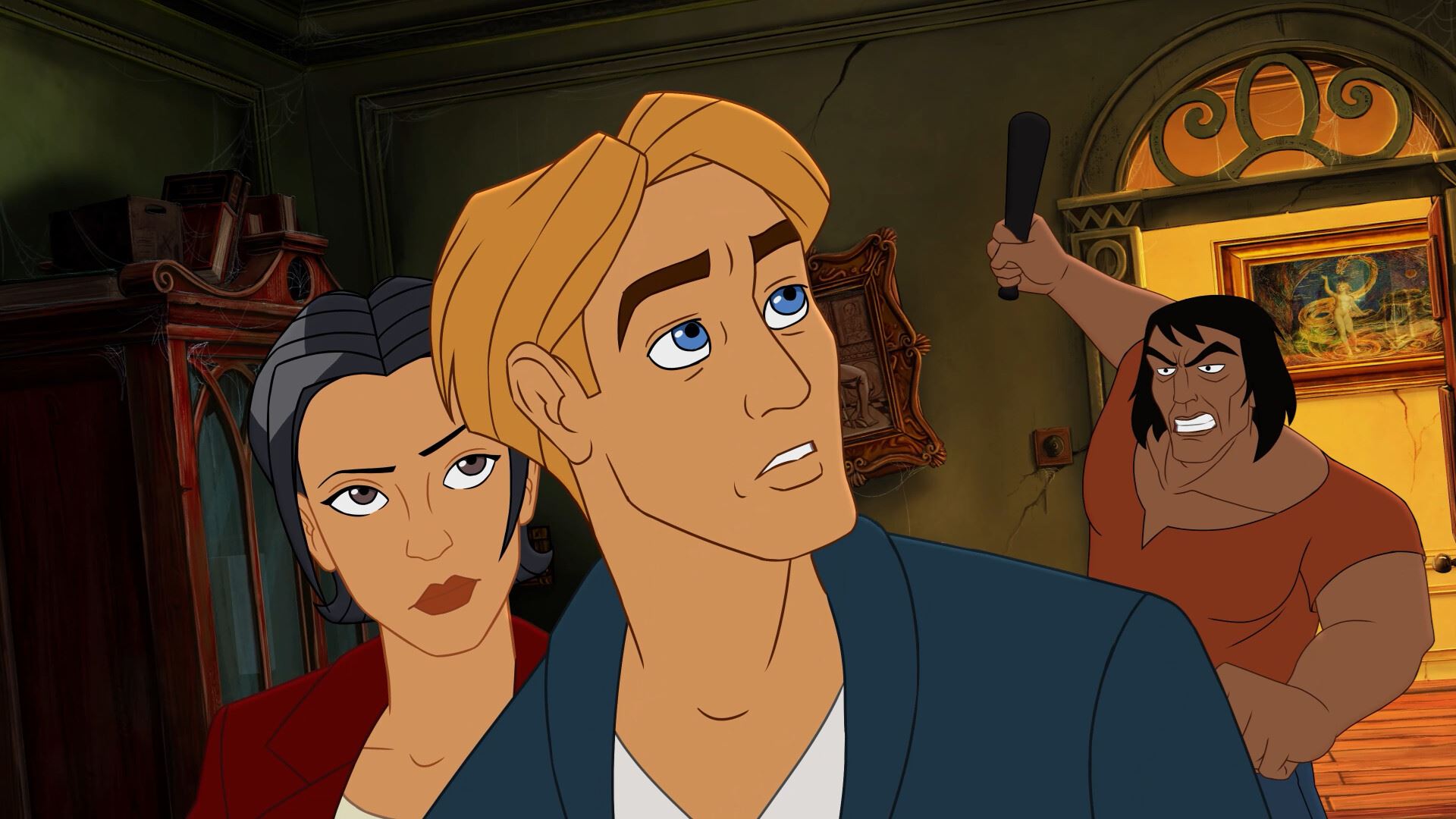
Why did you decide to release two remasters during the production of Broken Sword 6, instead of focusing solely on the new entry in the series?
Well, Broken Sword 6 initially had substantial publisher support, but then the whole industry shifted — and not in a good way, and the funding was cut. A lot of people have lost their jobs, and unfortunately that’s still happening. There’s also no real indication that things will improve anytime soon.
We chose not to take funding from venture capitalists or corporate investors — whether that was the right decision or not is open to debate. But it means we’re in the same position we’ve always been in: we rely on the support of our community.
If players like the games we make, we can keep making them. If they don’t, then we stop.
It's basically the same question I asked you many times in the past. What is actually remastered in this game? Because after I saw the first screenshots of the Smoke Mirror Remastered, I mean, that's actually how I remember the game to be.
That’s really lovely to hear, because a lot of people say the same thing — they look at it and think, “Yes, this is exactly how I remember the game.”
But of course, we offer a toggle that lets you switch between the original and the remastered visuals. At the very least, you can already compare the before-and-after versions, and it’s wonderful to see people smile when they realize that what they remember isn’t actually how the game originally looked. When you switch back to the original 640×480 resolution, the difference is quite striking — and that’s still nothing compared to the original PlayStation version, which was even lower resolution. In fact, I’m tempted to include three visual modes next time: the original PlayStation version, the original PC version, and the new remastered one.
From a graphical standpoint, the improvement is massive — we’re talking about roughly 36 times the screen resolution. That allows for a level of detail in the characters that simply wasn’t possible before. At lower resolutions, you can only suggest so much. What we did was go back to the original character sheets and reinterpret them. The key rule for us was to stay true to the original intention. We didn’t want to change the game or add new content.
However, for both Broken Sword 1 and 2 Reforged, we did uncover some recorded lines of dialogue that were never actually used in the original release. These lines existed across multiple languages, but for various reasons, they never made it into the game.
For example, there’s a moment early in the game where George can pick up a worm. He can even put it into his coffee while sitting at a café and then ask the waiter about it. That dialogue was recorded and implemented, but it was never triggered in the game. I don’t remember exactly why — it was 30 years ago — but it might have been due to missing animations.
Now we have the time to reintroduce these elements properly, including creating new animations where needed. For me, it’s important to emphasize that this is still the same game — just significantly enhanced visually and from a user interface perspective. Reusing and restoring content that was originally created but never used feels completely legitimate.
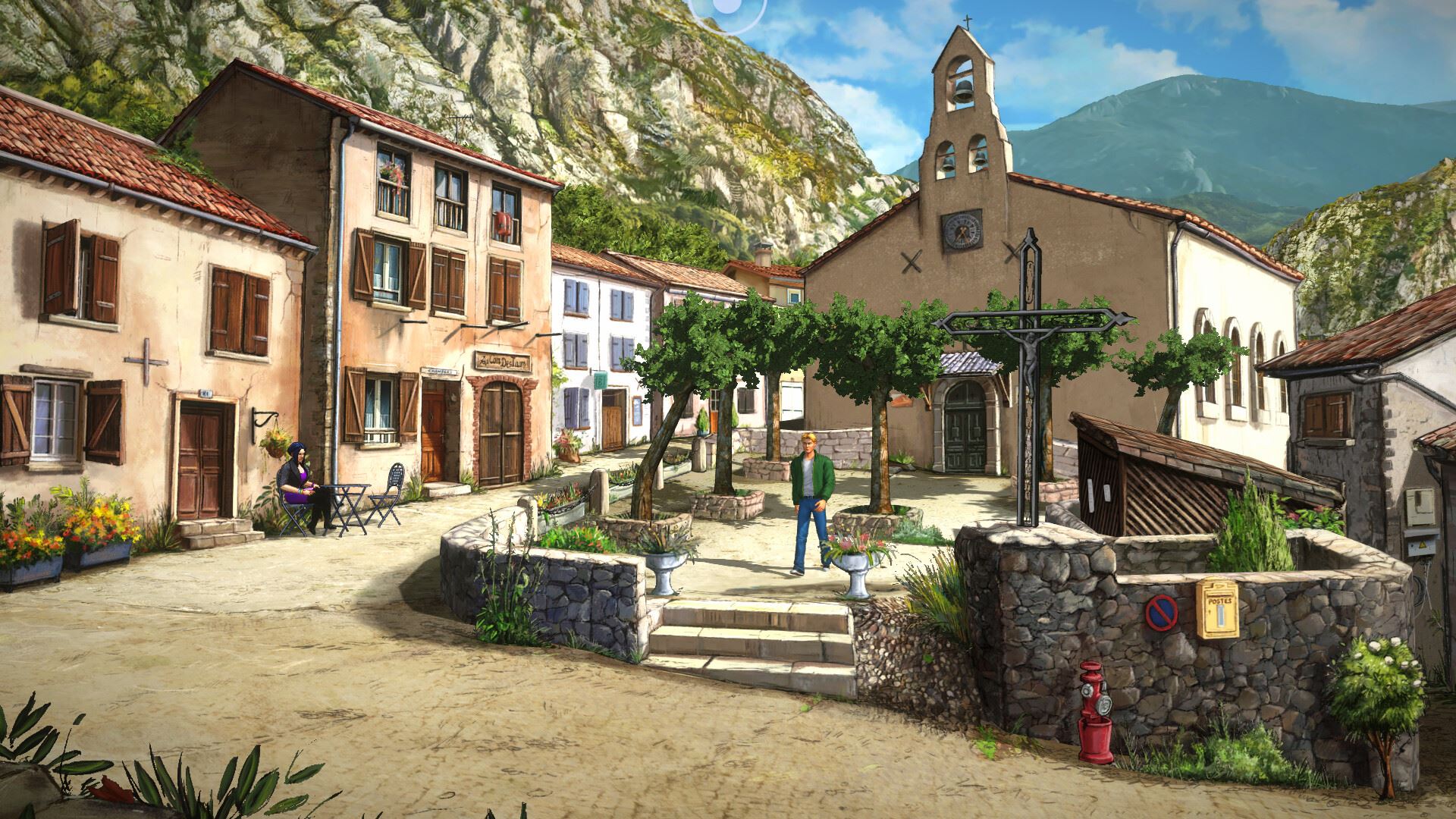
Working on these remasters while also developing Broken Sword 6 must create an interesting creative overlap. Have you discovered anything during the remastering process that influenced or inspired the new game?
Well, the first two games were written by me — I designed the puzzles and the story — but I wasn’t heavily involved in the dialogue. That was handled by a writer named Dave Cummins.
Of course, in today’s world, there are cultural sensitivities to consider, and fortunately, Dave was very progressive. He was an extraordinary character in many ways, both good and challenging, but his approach meant that there’s very little in the original dialogue that wouldn’t be appropriate for a modern audience.
What I’ve rediscovered during the remastering process is how clever his humor is. Rather than setting up a joke with a traditional punchline, the humor hits you immediately, and only later do you realize how absurd or funny it actually is. As a writer, he always stayed several steps ahead of the audience. Dave’s quick-fire, absurd, playful style was always our goal for the series, and revisiting it reminded me of how important humor is to the games.
We already know a fair amount about Broken Sword 6 from your earlier comments. What are you personally most excited for players to experience once they finally get their hands on it?
Well, first of all, it’s unapologetically a point-and-click adventure. And forgive me for repeating myself, but it also features repeated gameplay mechanics involving time as part of the point-and-click experience.
This gives us a way to gradually increase difficulty in a meaningful way. I made a naive mistake with Broken Sword 3: I designed a lot of box puzzles and then told the designers to extrapolate. What they did — and this was my fault, not theirs — was simply create more and more complex box puzzles that didn’t really tie into the core point-and-click gameplay.
With Broken Sword 6, we want to continue to innovate. There have been some truly inspiring games over the years. Life is Strange, for example, was a fantastic title — even though it came out about five years ago, it still serves as inspiration.
Adventure gamers, in particular, really appreciate innovation and fresh ideas. We want to reward that curiosity and creativity in our game design, and give players new experiences within a familiar genre.
Do you see potential for remastering other Broken Sword titles in the future—such as the third game? What would be the main challenges and benefits of going that route?
Quite possibly. A common question is whether we could do Broken Sword 3 in 2D. Whilst I am incredibly flattered that people should ask, what we would never do is simply create a low polygon game in high resolution - the game would need a complete rework in terms of backgrounds, characters and animation. If it turned out really well, I’d like to unify it with Broken Sword 1 and 2 — using the same control system and visual continuity. Maybe I’m overthinking it, but I love the idea of a consistent style and experience across all the games in the series.
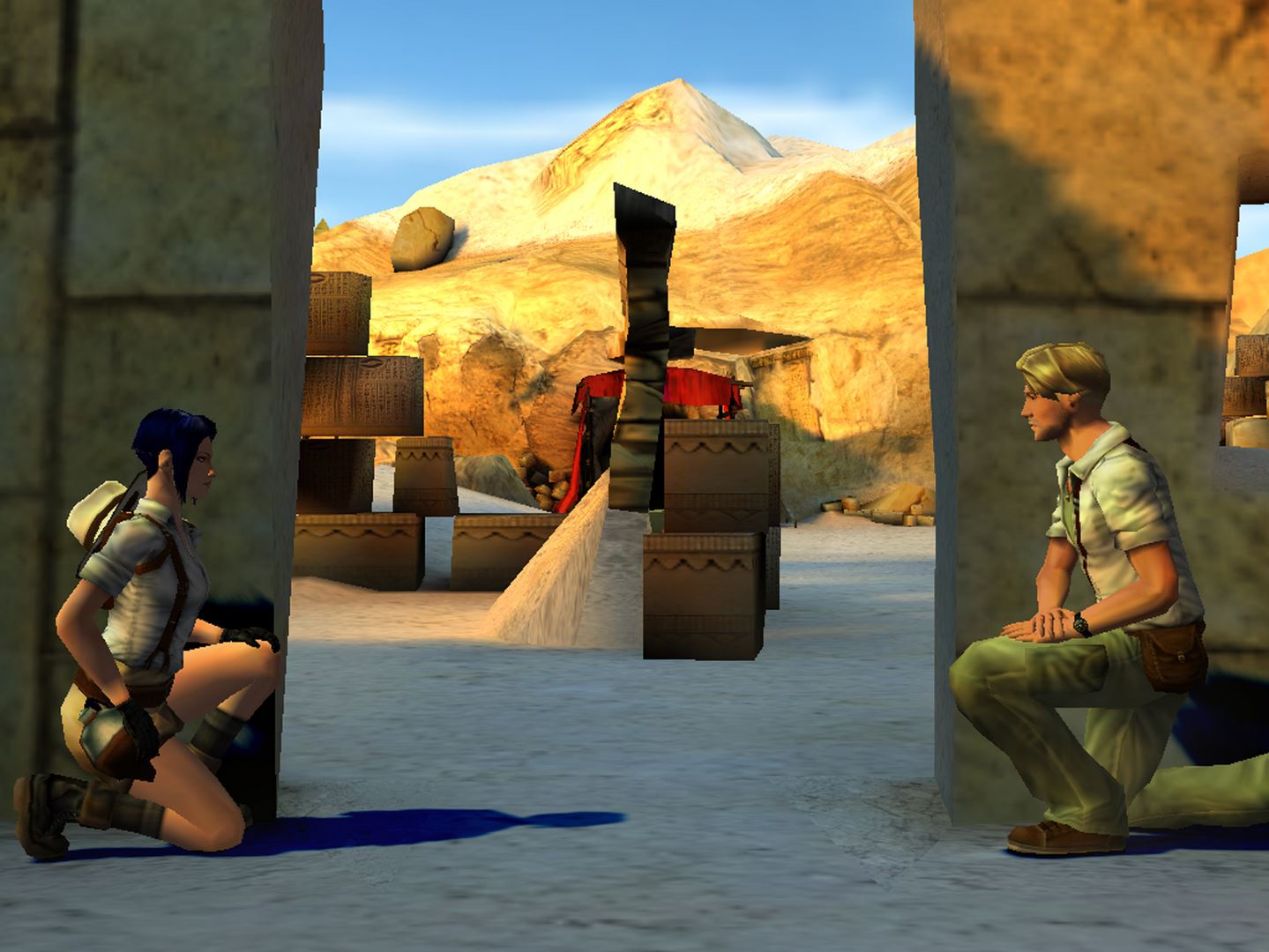
Adventure games were once seen as the leading genre, and now they occupy a more specific niche. What do you believe is the role and relevance of narrative adventure games in today’s gaming landscape?
I would argue that point-and-click is an incredibly pure interface — very simple, yet capable of delivering complexity. You can play a game like Assassin’s Creed, which is fantastic, but it’s extremely complex in terms of controls. For players who want a simple interface and primarily a narrative experience, I don’t think there’s a better genre than point-and-click adventures.
One of the compliments I always welcome is when players say our puzzles feel like narrative challenges. That was always our goal: puzzles should be logical, so that when they are solved, they make sense in the story. Of course, some puzzles aren’t perfect, but broadly speaking, the logic is there — and that’s really important to me.
I think of Monkey Island, which I love. I remember a puzzle where you have to undo a nut, and to do that, you need a monkey. At first, there seemed to be no reason to get a monkey. Once it’s in your inventory, it can become a monkey wrench — although in England we’d call it an adjustable spanner. But the key step is that you first need a banana to hypnotize the monkey. Only then can you put it in your pocket and use it as a wrench.
There’s no way a player could foresee this puzzle — the only way to solve it is through trial and error or by looking up the solution. It’s fun and funny, but it’s not the kind of logic we aim for in our games. We try to create puzzles that are logical and fair, even if that sometimes makes them feel too easy for some players. It’s a delicate balance between challenge and clarity.
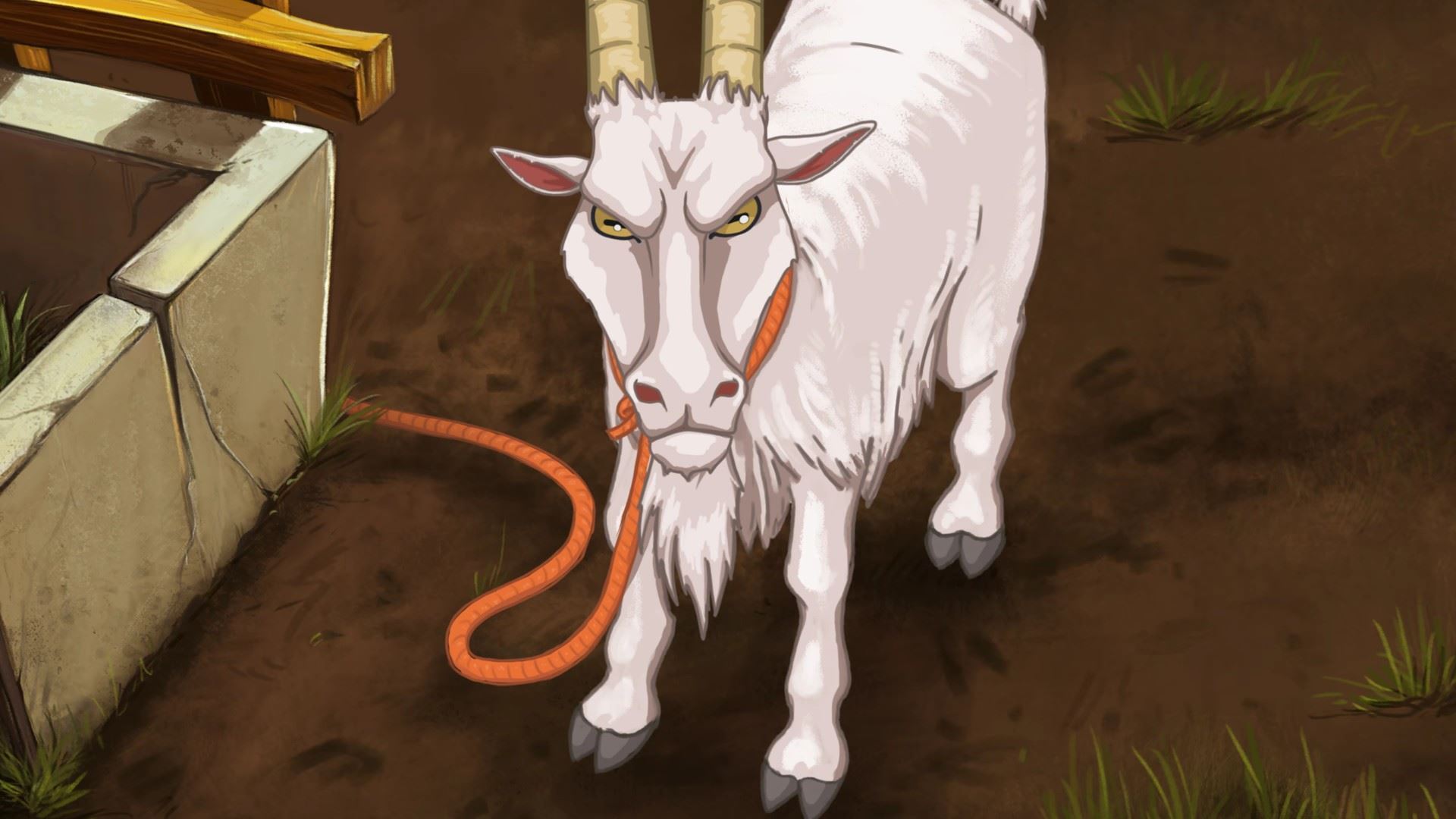
But even you had this “monkey wrench” moment with the goat.
Yes, yes. Mea Culpa. Although I wouldn’t really call it a monkey wrench moment. It wasn’t that the puzzle was convoluted, but it certainly has other issues that make it unfair. Firstly we temporarily changed the interface. Nowhere else in the game does the player have to click to get George to pick himself up and then run. And we put a very short timing window which meant that the player could only really solve the puzzle if they knew exactly what they were doing - or spent weeks and weeks trying every combination rapidly. And we know that most people resorted to the latter.
Whilst I accept that it isn’t fair, I feel partly vindicated by the love that the puzzle has brought forward over 30 years. During our Broken Sword 5 Kickstarter campaign, a group of wonderful backers created the ‘Order of the Goat’ to recognise, maybe even celebrate, this particular puzzle.
And for those brave souls who kept trying, it’s not a puzzle that they will ever forget. Isn’t that a huge complement?
Your work has always balanced mystery, humor, history, and strong character writing. What, in your view, is the core ingredient that keeps players emotionally connected to George and Nico after all these years?
Well, I think that both of them have their flaws which makes them interesting. George is a little bit too casual, and I’m not sure if I were a girl I’d want to go out with him. Nico is quite hard to begin with. And I think what works well — I’d like to think it works well — is that they are completely opposite and complement each other, and also conflict with each other. This allows us to create interesting exchanges and convey exposition with humour. As the game goes on, they become closer and more complementary in terms of their differences. And of course, the end result is — you know, will they, won’t they? George and Nico cradle each other: there’s a little kiss at the end of Broken Sword 1, a very affectionate hug at the end of Broken Sword 2. But each time there’s a new Broken Sword, the relationship has reset to just good friends.
Which is, I think, a good thing. Remember X-Files — the point is there was this sort of lovely sexual tension between Scully and Mulder, and at one point they get it together, don’t they?
Yeah, they even had a child, yeah, in these later seasons.
Yeah. And that kind of ruined the dynamic. Everybody, of course, wants their love to flourish - but would ultimately be disappointed if it ever does because it would totally change their relationship. Instead of solving deadly historical conspiracies which ripple through to the modern day, they would be settling down and maybe having babies.
As someone who has helped shape the adventure genre for decades, what still excites you creatively? What keeps you returning to this style of storytelling?
Adventures are such a diverse and exciting genre. I am very excited by interesting ways that stories can be told uniquely through the interactive medium, and am hugely impressed by game designers that do this in interesting ways.
I love that the player is doing the detective work directly, not indirectly, in point and click adventures or newer adventures like Her Story or Immortality. And that in Limbo, we never know who the character is, nor is there any dialogue or text with the story being totally conveyed through the gameplay and environments. I love the moral ambiguity of the choices that the player, rather than the protagonist, has to make in games like Papers Please.
I have a particular soft spot for Grand Theft Auto 3 which was so brilliant at first merging emergent narrative with narrative missions. I remember well that about a third of the way through the game, the player finds themselves in a dock having to shoot a goon that’s running at them. I kept missing and getting killed and my son — who was 12 at the time (he’s 32 now) — kept saying, “Dad, I can do it.” I knew he could, but since it was an 18+ game, I didn’t let him play. Next time we’re together, I will try to get him to play the remake with me - so he can now legitimately complete the parts that I found too hard all those years ago.